

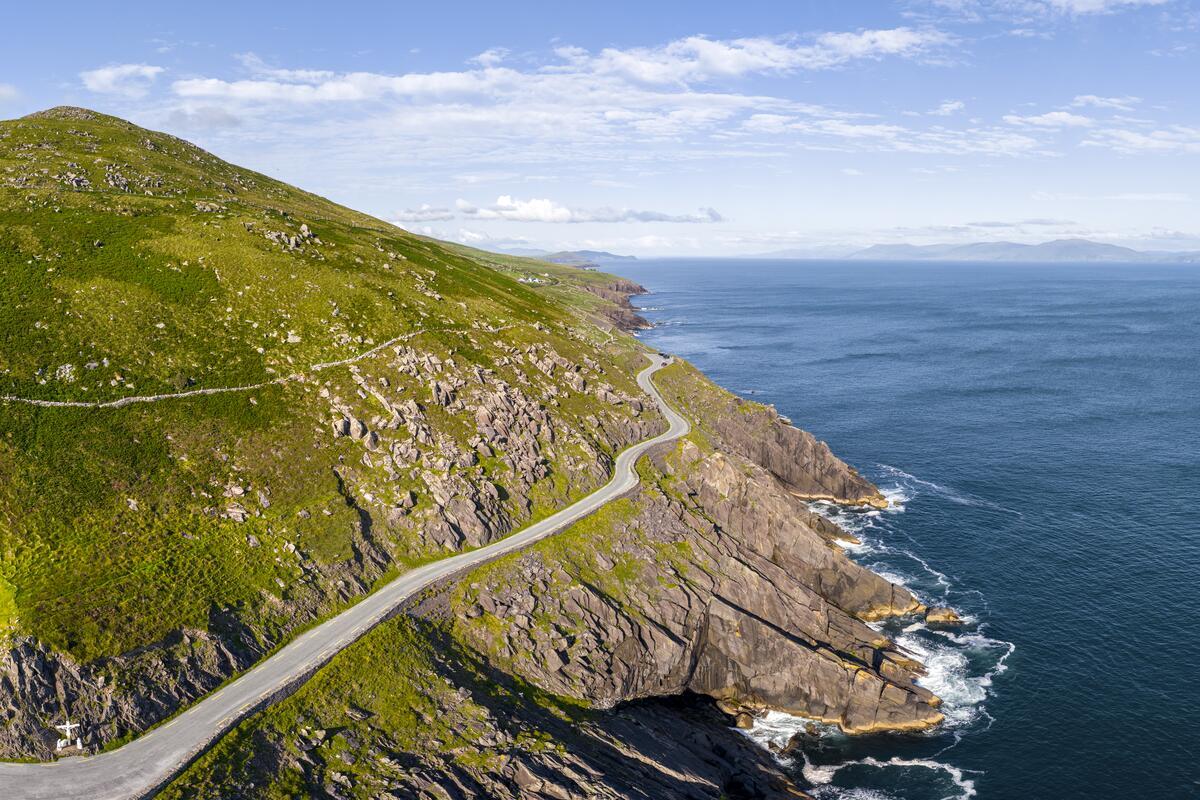
Irish Road Trip
Ireland is the perfect location for a road trip, with countless opportunities to discover the culture and heritage of this unique place. Getting from mainland Europe to Ireland has never been easier, with a direct ferry route from Boulogne-sur-Mer to Cork that avoids the inevitable queues crossing the UK since Brexit. You can simply pack up your car or your camper van and head for the open roads of the Emerald Isle, ready to discover its secrets for yourself.
In this guide, we’ll take a look at the easiest ways to travel to Ireland from France, Germany and the Netherlands, and we’ll investigate the different routes for you to explore once you arrive. We have all the information you need to plan your road trip adventure, including your packing essentials and the documents you need, so read on to find out more!
Driving from France to Ireland Made Easy
When you’re heading from France to Ireland, you’ll need to choose the best route to start your Irish road trip. Several ferry ports in Northern and Western France will enable you to travel to Ireland, and the most straightforward option is usually the direct crossing from Boulogne-sur-Mer to Cork. This avoids a very long drive to Western France, and also enables you to skip the UK entirely, avoiding the common delays of long passport control queues and customs checks. The length of the drive to Boulogne-sur-Mer will depend on your location in France, but it is well situated for most areas, including other countries such as Germany, Belgium and the Netherlands.
You’ll need to arrive early at your ferry terminal, so you can check in prior to departure, and then you’ll board your ferry and settle in for the journey. The trick here is to make this part of the holiday itself, so you can relax in your comfortable cabin and enjoy the break from driving. On arrival, you’ll disembark at Ringaskiddy Port in Cork, and there’s no stress or extra paperwork to consider if you are an EU citizen. This is a great location in Cork, and you can explore your chosen route from here.
Driving to Ireland From Germany
Of course, if you’re travelling from Germany, you’ll need to drive into France to access easy ferry crossings direct to Ireland. Boulogne-sur-Mer is the ideal location to start your ferry trip, just a short drive from the French border and fully accessible from Germany, the Netherlands, Belgium and even Scandinavia.
From most German cities, you’ll need to drive west, passing through Belgium into Northern France. You can make this a part of your holiday, taking in the sights along the way, or travel directly on the efficient motorway network to begin your trip at the port of Boulogne-sur-Mer and sail directly to Cork. This is a much easier route for most drivers than crossing to Dover and making the long and frustrating drive across the UK before taking a second ferry to Ireland.
Road Trip Routes in Ireland
There are several stunning road trip routes through Ireland, and we recommend considering all the options before you plan your road trip itinerary. Your choice will depend on the amount of time you have available to travel and the type of travelling you enjoy, and we always suggest giving yourself a nice long time to explore!
The two main routes for those who choose to road trip in Ireland are both easily accessible from Cork, and you can read more about these options below. Both routes offer a wealth of historic sites and beautiful scenery to explore, and you’ll find great places for local food and drink along the way.
The Wild Atlantic Way
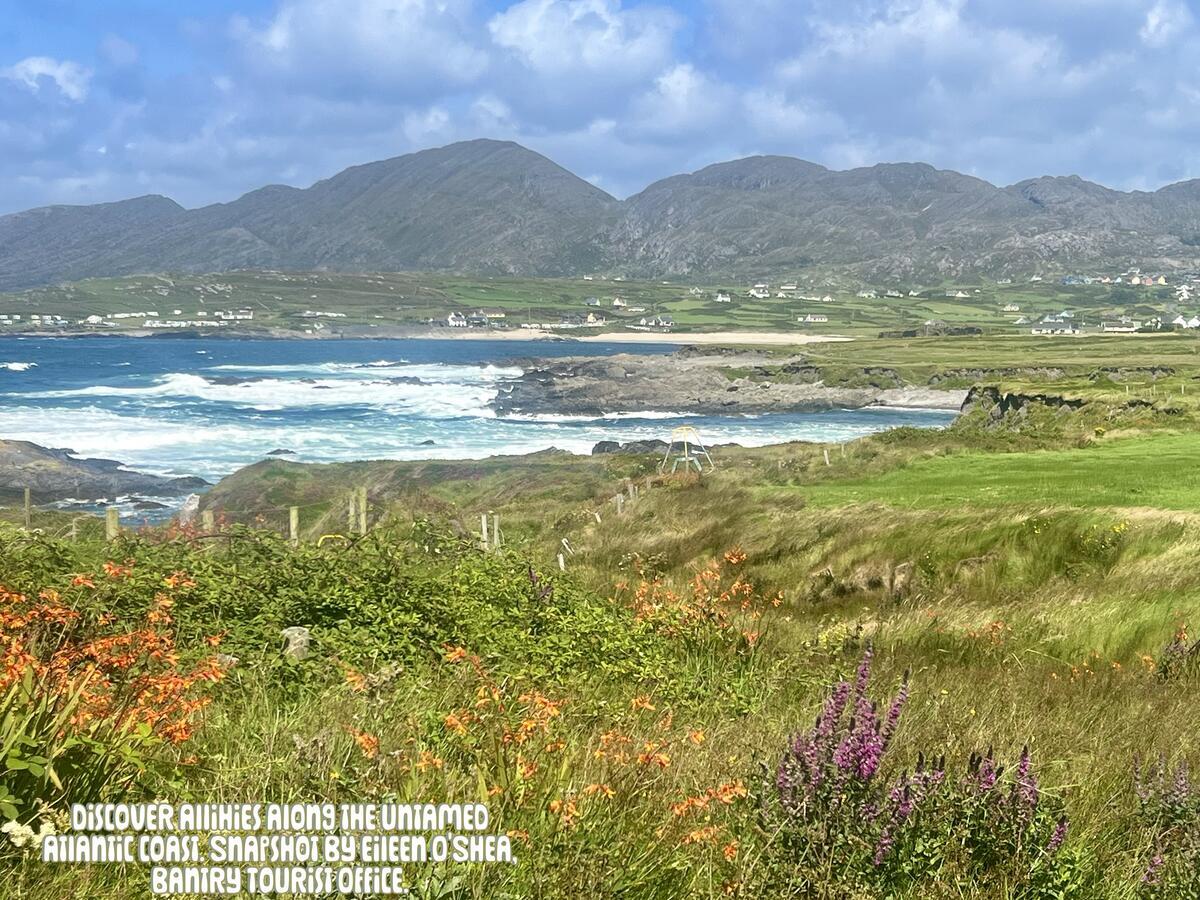
The Wild Atlantic Way is Ireland’s most famous coastal route, and it runs for around 2,500km along the western coast, starting in Cork. You can choose to drive a section of it slowly or travel at a faster pace, and you can plan your itinerary according to the length of your stay in Ireland. Highlights such as the Ring of Kerry and the Dingle Peninsula offer plenty of opportunities to get back to nature, and you’ll love the historic buildings and dramatic cliffs.
Of course, the most dramatic cliffs along the route can be found at the Cliffs of Moher, which is a natural landmark much loved by photographers and influencers alike! Galway City is a highlight for medieval history, seafood and good craic, and you’re sure to find something for everyone here. Don’t miss Kinsale, the culinary capital of Southern Ireland and a great chance to stock up on treats to enjoy on your road trip.
Ireland’s Ancient East
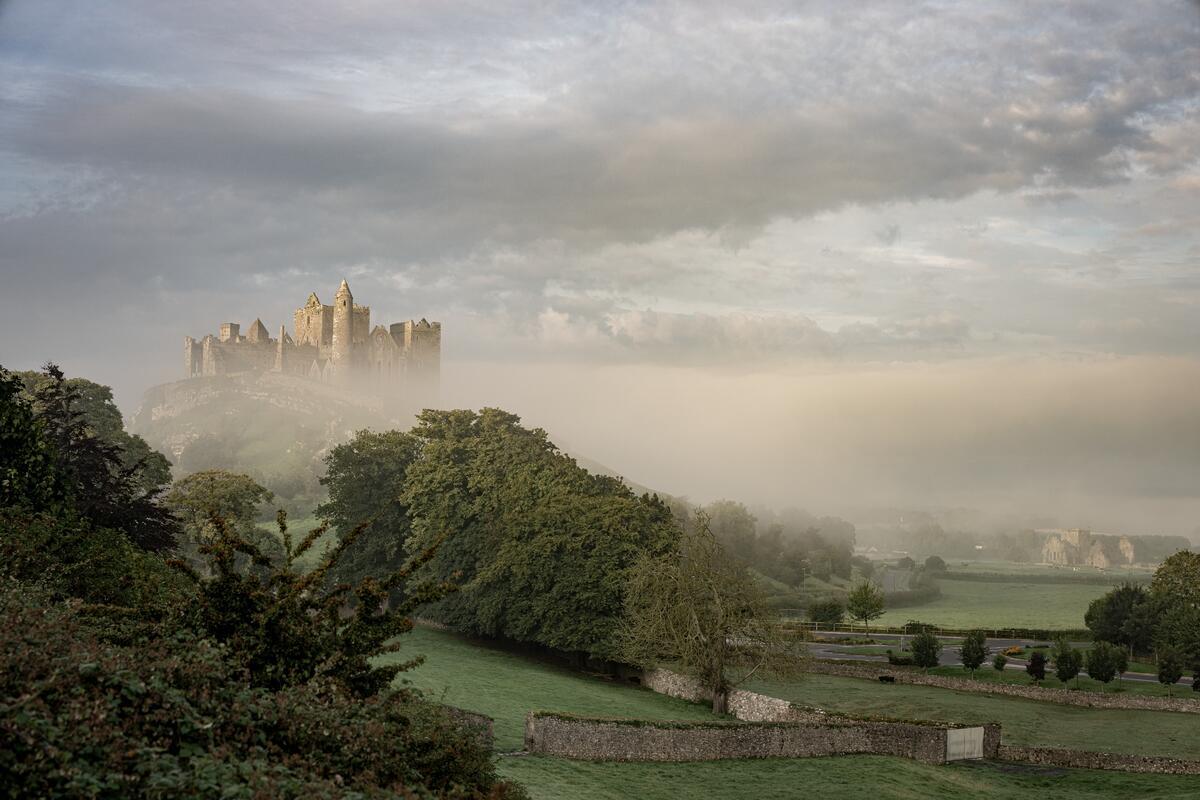
If you want to get stuck into the history of civilisations in Ireland, Ireland’s Ancient East might be the route for you. This inland drive takes you through the medieval streets of Kilkenny and into the Wicklow Mountains, and you can choose the historical sites you wish to visit along the way. Most people who take this route make their way to Dublin and take a couple of days to explore the capital before heading back down to Cork to catch the ferry home.
Highlights of this route include the Rock of Cashel, a group of medieval buildings including a round tower, a high cross, a Gothic cathedral and a Romanesque chapel, with connections to the ancient High Kings of Ireland. Don’t miss the Hill of Tara and Dunmore Cave if you’re drawn to ancient history and legend, and if you’re travelling with children, Fota Arboretum and the nearby Fota Wildlife Park are excellent places to spend the day. There are also several castles to choose from, and several beautiful botanical gardens to discover, including Heywood Gardens and the National Botanic Garden of Ireland at Kilmacurragh.
Slow Travel
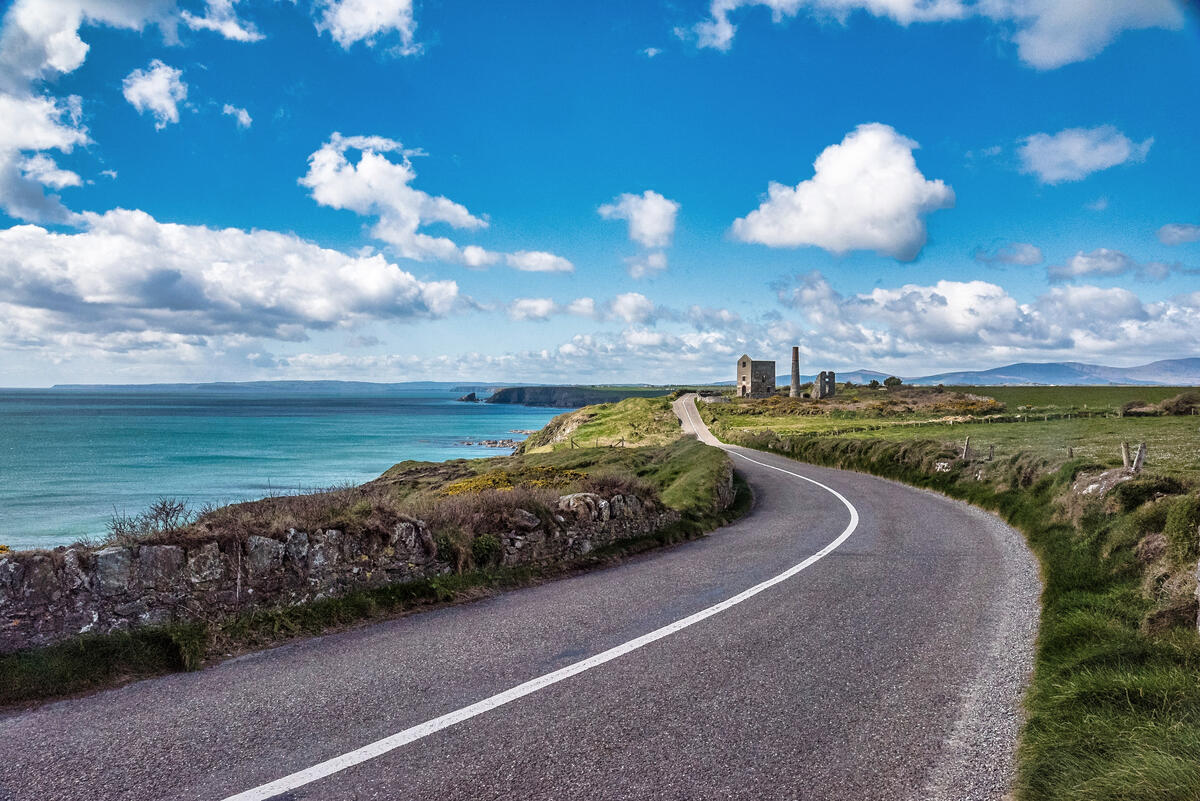
If you are only able to take a short road trip this time, you might want to stay closer to Cork and enjoy a stress-free break exploring the Southern Loop as an alternative to the more well-known road trip routes. This shorter route takes in the fabulous cuisine and historical treasures of Cork City and Kinsale, which is famous for its colourful homes and impressive seafood. You can drive along the Copper Coast in County Waterford to find cliff paths and wild beaches in this stunning area that is named after the old copper mines carved into the cliffs.
The trick to a successful road trip is to make it your own, tailoring your plans to suit your preferences and the length of your stay in Ireland. Slow travel gives you more time to relax into the local way of life and make the most of your visit, so take your time to enjoy exploring at your own pace.
Essentials for Driving in Ireland
Driving in Ireland is a little different to driving in continental Europe, so it’s important to prepare yourself for the experience. It’s not complicated; it just takes a little preparation ahead of your trip and some time to get used to the roads before you put pressure on yourself to drive long distances. Our tips include:
- Learn the rules of the road in Ireland. Like the UK, you must drive on the left-hand side of the road in Ireland. This can be a little tricky to adjust to, so take it slow and give yourself space, especially at roundabouts. You’ll soon get used to driving on the left! Some of the roads in Ireland can be narrow, especially in the countryside and on coastal routes. Many narrow to single lanes at times and you may find grass growing in the middle of some of these! You are likely to come across sheep and other animals crossing the roads, and you should pull in for faster vehicles and oncoming traffic.
- Show your national ID. Most modern cars have a reference to their home country in their number plate, but if you are driving an older car or your car does not have this, you will need to check the rules for your country and display a national identification sticker if required.
- Know the speed limit. When you’re driving abroad, it’s especially important to familiarise yourself with the speed limits in the local area. Be sure to check whether signs refer to km or miles per hour, and do not exceed speed limits, particularly on narrow county roads which can be difficult to navigate.
- Fill up with fuel. On the popular road trip routes, there may be long stretches of driving in rural areas with no access to fuel stations. You should keep an eye on your fuel tank to ensure that you are not running low, and top up wherever you can to give yourself the peace of mind you need to relax on your holiday!
- Bring the correct documents. You’ll need to bring your full, valid driving licence. An EU licence is usually valid for driving in Ireland, and you will also need to bring your vehicle registration document, or logbook, which proves that you own or have permission to drive the car. Have your passport or national ID card to hand, and be prepared to show your ferry booking confirmation if required. Ensure all of your documents are up to date and meet local requirements, and bring paper copies rather than relying on your phone!
- Get insurance. You should check carefully to ensure that your insurance covers you for driving in Ireland, as many policies do not allow you to drive outside of your home country. You will also need to ensure that your holiday insurance includes any medical cover and extras you need. Breakdown cover is an excellent idea, and if you have this at home, you may find that it extends to Ireland since you are travelling within the EU.
- Safety equipment. Although not legally required in Ireland, you should carry a high visibility vest, first aid kit and warning triangle in your vehicle in case of emergency. These are compulsory in France, so you will need them even if you are just passing through en route to Ireland. We also highly recommend that you carry safety items with you in your vehicle, including a torch, blankets, a fire extinguisher and replacement bulbs for your headlights, brake lights, indicators and side lights, as these can be difficult to replace while you are abroad. Carrying water and food in case of emergency is always good practice when you are driving for long periods of time.
When you’re driving in Ireland, it’s important to be prepared for the weather, which can change suddenly and dramatically. You should ensure that your windscreen wipers are in good condition, and allow for extra time when navigating coastal routes in poor weather conditions.
The Hibernia Line: Car Ferry from Boulogne to Cork
The Hibernia Line gives you a direct, convenient route from Boulogne, France, to Cork, Ireland, and allows you to bring your own car or camper van so that you can enjoy your Irish road trip in style. You can also travel as a foot passenger if you plan to explore Ireland by train or hire a car on arrival – and this gives you the flexibility to spend time exploring Irish cities on foot without worrying about parking charges or city traffic.
The Hibernia Line offers year-round evening sailings, with a choice of comfortable, well-appointed cabins with en-suite bathrooms. You can relax on board and enjoy some great food to get you in the mood for your holiday, and you can take this time to plan the details of your road trip in Ireland.
Whether you’re travelling from France, Belgium or Germany, a road trip in Ireland is the perfect holiday for you. Call us or find more information on our website to start planning your Irish road trip today!