

What to Expect on an Overnight Ferry Crossing
If you’ve never been on an overnight ferry crossing before, you might be wondering what to expect. There are many things to consider, from dining to packing and even seasickness!
We’re here to help, and we’ve put together an essential guide to overnight ferry travel for first-timers, sharing our expertise so that you can plan a trip that works for you. The Hibernia Line runs between Boulogne, France and Ringaskiddy port in Cork. Read on for all the information you need to know about overnight ferry crossings so that you can prepare for your next holiday in Ireland or mainland Europe!

Why Choose an Overnight Ferry Crossing?
If you’re travelling between Ireland and France, finding the right way to travel can feel complicated, especially since Brexit has made routes through the UK much more complex. An overnight ferry is a great choice, with none of the stress of flying, and you can take your own vehicle, so there’s no need to pack light or pay for airport parking.
An overnight ferry crossing takes you directly to your destination, and you can consider the crossing as part of your holiday. If you’re travelling with children, they’ll love exploring the ferry and discovering your private cabin, and going directly to or from Boulogne means you can enjoy travelling in comfort rather than driving all night from western France.
Cabins
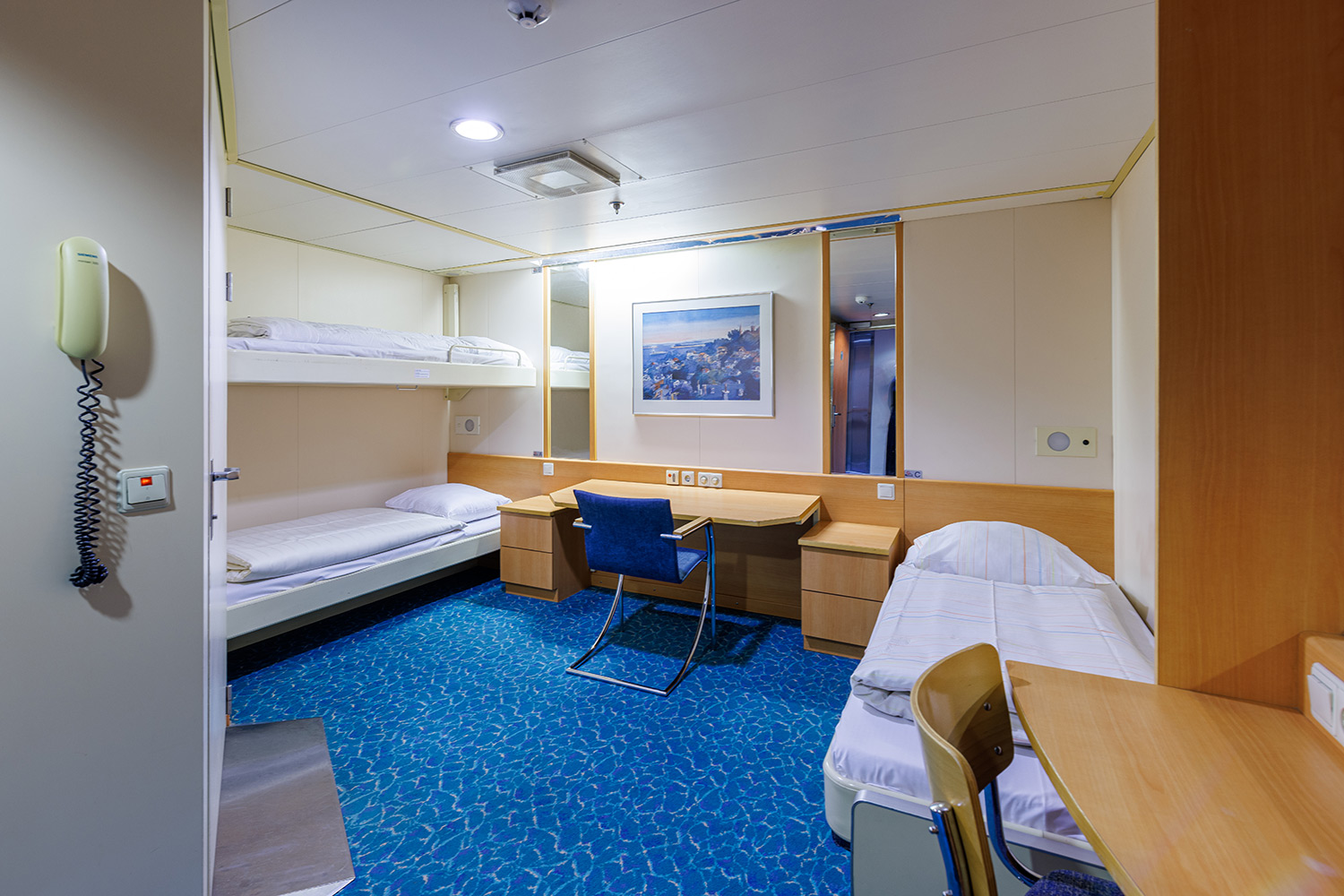
You can choose a cabin to suit your requirements, whether you are travelling alone, with a partner or with your family. Inside and outside cabins are available so you can decide whether you would like an ocean view, and we also offer pet-friendly cabins and accessible facilities so everyone can make the most of our luxurious accommodation options. All of our cabins have en-suite facilities, including a shower and toilet, and include clean bedding, fresh towels, soap and shower gel.
Our cabins are designed to give you a clean, comfortable space to relax and unwind as you travel to your destination and make your way home again. This means that instead of all the stress of air travel or driving, you can settle into the holiday mood straight away and enjoy a good meal, a glass of wine or a hot drink and a good night’s sleep!
Dining

Your holiday begins on board, and you’ll find a great range of food and drinks to enjoy in our bar and restaurant areas. We are proud to partner with acclaimed Irish chef, cookery writer and television presenter, Rachel Allen, to create a sensational menu for you and your travelling companions to enjoy. Rachel works alongside our onboard chefs to design dishes that celebrate seasonal ingredients from Ireland and Europe, including comforting favourites and delicious new tastes.
We have options for everyone, including hot and cold dishes, light bites and hearty meals, and you can sit back and relax in our bar or restaurant while you enjoy your meal or snack. You can treat your taste buds as you prepare to sample the culinary delights of your holiday destination, whether you’re heading to Ireland, with temptations such as the local produce in Kinsale, or France, with the incredible seafood Boulogne has to offer.
Travelling with your own vehicle

Whether you’re bringing your car or a camper van, you’ll have the freedom to explore once you arrive at your destination, and you won’t need to rely on public transport, so you can get off the beaten track and discover coastal roads and rural towns at your leisure. Ferry travel is an affordable way to take your own vehicle on holiday, saving you car hire fees and baggage charges, and children under 4 years old travel on our ferries for free.
When you’re travelling with your own vehicle, you can bring all of your family essentials, and there’s no need to pack light. Check out our packing guide later in this article for our top tips! Our ferries can carry motorcycles with or without sidecars, trailers and motorhomes, as well as cars, caravans and campervans, and all vehicles will be securely stored during your crossing so that you can relax and enjoy the facilities on board.
Arrival and departure processes
At Hibernia Line, we offer sailings all year round, and our frequent schedule allows you to arrange your crossing around your travel plans. When you arrive at the port, you should follow signage for ferry departures and check-in, giving yourself plenty of time to check-in, go through security and carry out any required pre-departure procedures. You will be told which lane to drive into, and you will be able to access facilities such as toilets at the ferry terminal if you need to do so.
We recommend that you arrive at the port at least two hours before your departure, and 2.5 hours for non-EU passport holders, so that you can check in. You should have your booking confirmation ready and follow the directions provided by staff when you are boarding. Check-in will close strictly 45 minutes before departure, and passengers arriving after this time may be refused boarding, as we cannot guarantee processing once the check-in deadline has passed.
Vehicles are loaded onto the ferry very carefully, and you must follow the directions you are given to ensure the safety of all on board. Stay inside your vehicle at this time and apply your handbrake when you are parked satisfactorily. You should also disable your car alarm to ensure that it is not activated by the motion of the ferry.
On returning to your vehicle, just before arrival at your destination, you will simply need to follow the announcements provided. You will need to wait until you are told to start your engine, and then you will be directed to disembark. After this, you can simply drive off the ferry and begin your holiday!
Seasickness
If you are worried about seasickness on your ferry crossing, the good news is that going onto the open deck can help to relieve this. Simply getting out in the fresh air and looking ahead at the horizon is the best way to calm the nervous system and the stomach. Take slow, deeps breaths to help yourself to feel more balanced, and do not be tempted to look down at your book, phone or tablet, as this may make seasickness worse.
If your seasickness does not resolve quickly, you might find that it helps to sip small amounts of water or eat something containing ginger. Seasickness is more likely to affect you if the water is very rough, and larger vessels such as our ferries are often much more stable than smaller boats, so most people feel fine on board. You may find it helpful to take travel sickness medication or try acupressure bands to relieve the sensations.
Essential Packing Guide for Your Ferry Trip From France to Ireland
When you’re travelling from France to Ireland or from Ireland to France with your own vehicle, you’ll want to pack all of the essentials to make the most of your holiday. Here’s our essential packing guide so that you know what to bring with you on your trip.
- Family essentials. Taking your own vehicle on holiday with you means you don’t have to scrimp on your packing, and you can accommodate everything you need for your trip. If you are planning a camping trip in Europe, you’ll have plenty of room for your tent and camping gear, and if you’re planning to explore Ireland by car, you’ll be able to take plenty of layers and waterproofs to ensure that the weather doesn’t spoil your plans. If you’re travelling with your family, you won’t need to worry about hire cars or adjusting to hired car seats, and this can make driving on holiday feel much easier.
- You’ll need a valid passport and your booking confirmation in order to travel with us, and you’ll also need to ensure that your car insurance and travel insurance documents are close at hand. We aim to provide a speedy check-in process, so it helps if you have your documents readily available when you arrive at the port, and you should ensure that they are packed in your ferry bag in case you need them on board, as you will not be able to access your vehicle during the crossing. Please check our Terms and Conditions
- Ferry bag. You’ll drive onto our car deck, where your vehicle will be secured for the duration of the crossing, and then you’ll leave your vehicle, and you won’t be able to access it until the ferry arrives at its destination. This means that you’ll need a ferry bag containing all your essentials for the crossing, and we recommend packing your toiletries, book or tablet, nightwear and a change of clothes in it. You might find it helpful to have a separate ferry bag for each member of your party, as well as anything else you need for your babies, children or pets.
- Vehicle essentials. When you take your vehicle abroad, you must make sure that it complies with local requirements and is insured to drive in your destination. Check that your insurance covers you for holidays in Europe and Ireland, and ensure that you have all the emergency equipment you need. For instance, in France it is a legal requirement to have a high visibility vest for every person travelling in the car, and to have a red warning triangle in your vehicle. You must also display a sticker showing where you are travelling from if your licence plate does not include this information.
- Food and drink. If you are travelling in your own vehicle, you can take snacks and packed lunches with you to eat along the way, and this can be especially helpful if you are travelling with children. You will, of course, be able to stock up on food and drinks when you are on the ferry and when you arrive at your destination, but it can be useful to take familiar items, especially if you have specific dietary needs. You should check that there are no restrictions on entering the country you are travelling to with food items.
- First aid kit. Unless you are travelling into very remote rural areas, you will likely be able to pick up emergency supplies and access medical care while you are on holiday, but it can be very helpful to have a first aid kit with you to help you manage minor accidents and incidents without having to interrupt your adventures. You can pick up ready-made first aid kits that include all the essentials, or you can put together your own, including plasters, bandages, tape, small scissors, antiseptic wipes and pain-relieving medication. You may also want to include rehydration sachets, which are easy to use and useful if you catch a sickness bug, as well as sunscreen and aftersun lotion.
The Hibernia Line: Ferry Travel from France to Ireland
Travelling from Ireland to France or France to Ireland with your own vehicle is easy when you use the Hibernia Line, between Boulogne-sur-Mer and Cork. This route is open all year round, so you can plan your holiday to make the most of all that Europe has to offer, and you’ll enjoy travelling overnight in the comfort of your own cabin.
At Hibernia Line, we can help you with all the information you need to book your next holiday, including all the details of your ferry crossing and a whole range of blogs packed with ideas for your holiday in Ireland or continental Europe. You’ll find top tips for road trips where you’ll discover the magic of Ireland, and plenty of suggestions to plan the perfect European adventure. Take a look at our crossing schedule and book your next holiday today!