

Hibernia Line: Freight from France to Cork
The new Hibernia Line ferry between Boulogne-sur-Mer and Ringaskiddy in Cork offers freight and passenger services all year round. It is the perfect choice for businesses shipping between Ireland and mainland Europe in the post-Brexit landscape. This is a reliable, time-critical ferry service that provides immediate access to Cork and the EU market, and offers many geographical and logistical advantages over traditional routes such as Rosslare-Cherbourg or Cork-Roscoff.
Shipping freight to Ringaskiddy, Cork, enables you to take advantage of this new time-critical ferry service, and it is ideal for goods that require fast and secure delivery, such as refrigerated food and pharmaceuticals. Cork provides direct access to international routes and can accommodate various cargo types, including container, liquid and dry bulk. The port is fully equipped to handle your imports and exports, with modern facilities for faster, more efficient handling.
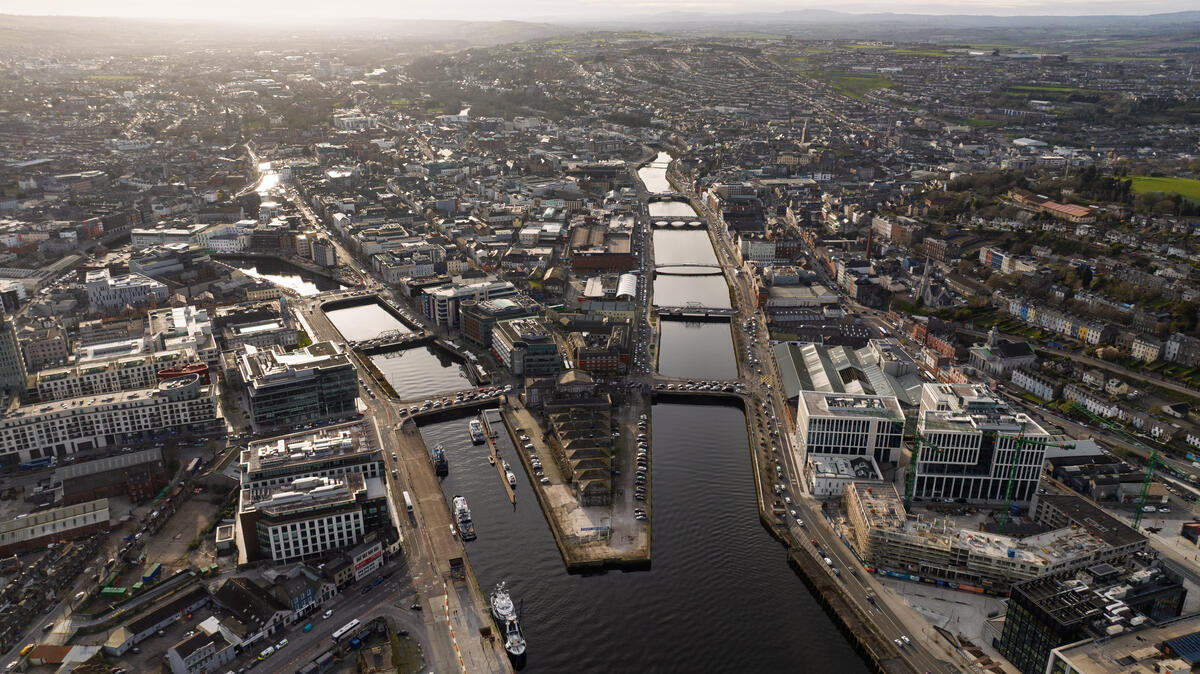
Why Choose Ringaskiddy Cork – Boulogne-sur-Mer?
Ringaskiddy is a major industrial port located on the Western side of Cork Harbour, the second largest natural harbour in the world. Ringaskiddy is a key deep-water ferry terminal, offering immediate access to Cork City and EU markets. Traditional ferry routes to and from Ringaskiddy, especially those that rely on the UK land bridge, have increased in cost and complexity in recent years, and direct sea routes such as this now offer a cleaner and more reliable option.
Boulogne-sur-Mer to Cork is an excellent strategic option that combines efficiency and cost-effectiveness for businesses shipping freight between Ireland and mainland Europe. Since Brexit, the established routes taking freight via the Dover-Calais route and driving it across the UK have become problematic, with customs checks and delays that have led to a shift to direct routes by sea. Bypassing the UK saves companies money and time on administration, and direct routes have become the more reliable option.
Benefits of Ringaskiddy Port
The Port of Cork, which includes Ringaskiddy, is a key maritime hub on the south coast of Ireland, and there are many advantages for freight operators shipping to and from the port, including:
- Direct access to cities in southern Ireland. Cork is very well located for the southern economic regions of Ireland, and this is good news for industries such as pharmaceuticals, manufacturing and agricultural food, since these are well established in the area. Cork gives easy access to Munster, which includes Cork, Limerick and Kerry, as well as southwest Ireland, making it quicker and more cost-effective compared with ports in eastern Ireland.
- Deepwater facilities. Ringaskiddy in Cork Port is a deep water port that can cater for large ferries and cargo ships, with facilities for containers, roll-on/roll-off, liquids, dry bulk and cruise, so you’ll know your freight is in safe hands. A deep-water port such as this gives you the flexibility to adapt to the changing demands of your business, and to consolidate shipments where possible.
- Straightforward route. The Boulogne-sur-Mer to Cork route offers a real and strategic alternative to the well-established routes from French ports such as Cherbourg and Roscoff, and there is far less congestion on this route, which means less time wasted queueing and faster turnaround times. You can schedule your freight with confidence, which is especially important for time-sensitive freight, and Boulogne-sur-Mer is ideally located close to Belgium, Calais and other key areas in northern Europe.
Cork vs Rosslare
If you’re familiar with the Rosslare routes to mainland Europe, you’ll be aware that this can be a busy and effective route. However, a switch to the Cork to Boulogne-sur-Mer route may be more beneficial than you might expect. While Rosslare is geographically the closest Irish port to mainland Europe, Cork is better located for southern and western distribution in Ireland, and if your freight is travelling further than Dublin and the east coast, you’ll find that using Cork port will significantly reduce your road mileage.
The rapid expansion of the Rosslare routes since Brexit has placed the infrastructure under increased demand, and Cork offers a greater capacity and more flexibility with scheduling. This means congestion is reduced, and this can save you a great deal of time – and money – when you switch. If you are importing or exporting from southern Ireland, you’ll notice the savings immediately if you can cut out the cross-country drives from Rosslare, especially with fuel costs rising.
Cork vs Roscoff
If you’re shipping goods from Cork already, you’ll understand the benefits of the southern Irish port, but did you know that the Cork to Boulogne-sur-Mer route offers advantages over the traditional Cork to Roscoff route? While Roscoff is located in western France, Boulogne-sur-Mer is on the northern coast for much more convenient access to major European businesses. For instance, exports from Germany and Belgium can much more easily access the port at Boulogne-sur-Mer, cutting down on travel time and fuel costs.
The manufacturing hubs in northern France, Belgium and the Netherlands can make use of the major road networks in northern Europe to access the port at Boulogne-sur-Mer with ease, and this reduces reliance on toll roads and longer transit times. This is of benefit for both imported and exported goods, and is a highly efficient solution.
The Cork to Roscoff route is primarily a seasonal route, which is not sustainable for most import and export businesses. The route between Ringaskiddy, Cork, and Boulogne-sur-Mer is an all-year-round route, giving you the consistent travel options you need, even during the winter months.
The Impact of Brexit
Businesses that have been importing and exporting in Europe for many years will already have felt the impact of the UK’s decision to leave the EU, known as Brexit. The Cork to Boulogne-sur-Mer ferry route offers the key benefit of bypassing the UK and taking freight directly to Ireland instead of using road routes across the UK that were previously seen to be inefficient.
With uncertain borders, increased controls and delays and additional administrative concerns, routes that cross the UK have become largely unsustainable and direct ferry routes offer a strategic alternative. The Ringaskiddy to Boulogne-sur-Mer route offers predictable, efficient services that are not subject to routine delays or administrative complications, and this is positive for businesses, drivers and customers.
Delivering Reliability
Giving your customers what they want is, no doubt, at the heart of your business. Your clients and customers must be able to rely on you to deliver on time and on budget, and this is made possible with the Boulogne-sur-Mer to Cork route that cuts out the stress associated with UK land routes and reduces the risk of congestion from overloaded ferry routes. This enables you to keep delivery times consistent and takes the hassle out of your imports and exports, allowing you to take advantage of a more stable supply chain.
You may be concerned about the cost of direct sea routes that bypass the UK, but these are likely to deliver greater value in the long term. You will be less likely to encounter delays or incur penalties as your operations will remain in the EU, and you will find that your administrative costs are reduced, along with your driving hours and costs. This may be a more effective solution than previous routes across the UK or congested ferry routes, and you may find that it is more sustainable for you in the long run.
Future Proofing Your Business
When you look to set yourself up for future success, it’s vital to consider the environmental impact of your operational decisions. Direct maritime routes may be a more sustainable solution for your business due to lower carbon emissions and reduced road mileage – especially in light of increased fuel duties in recent years. If you can support greener supply chains, you will stand out as a forward-thinking business, and you can take measures to optimise your operational efficiency that include unaccompanied freight shipping.
The demand for shipping between Ireland and France continues to increase, and routes that bypass the UK and simplify operations are popular in all industries. Relying on a route such as this enables you to scale your operations efficiently, making use of predictable services to optimise logistics and future-proof your supply chains.
The new ferry routes between Cork and Boulogne-sur-Mer offer optimal scheduling, with services planned six days a week, all year round, unlike the existing seasonal services. This offers new opportunities for reliability and supply chain control for businesses embracing growth.
Strategic Transport
There’s no denying that Brexit has changed the landscape of freight delivery across Europe, and we know that professional operators need viable, cost-effective options that provide the flexibility they need. The Hibernia Line ferry route is a key step in establishing resilient supply chains that are not dependent on the UK and promote direct connections between EU countries.
Cork offers a real and practical alternative to UK and eastern Irish ports, and is a central hub for import and export in Ireland. If you want to benefit from strategic geographic shipping and avoid congestion on overcrowded ferry routes, you’ll find that Ringaskiddy to Boulogne-sur-Mer gives you the strategic advantage over the competition and enables you to scale your business to suit you. Reliability is everything, and this is a route that delivers every time.
Consistent Convenience
The new ferry route between Ringaskiddy, Cork, and Boulogne-sur-Mer offers a crossing of approximately 21 hours, which is significantly shorter than the established Rosslare-Dunkirk route. Boulogne-sur-Mer is an excellent location for goods arriving in mainland Europe, closer to central and northern Europe and easily accessible from Belgium and the major logistic hubs of the Benelux region. If you are shipping goods to or from Germany, the Netherlands or Scandinavia, you’ll find the location offers many benefits over western French ports, such as Roscoff and Cherbourg.
Finding the right solutions for your unique business is invaluable, and a ferry route that enables you to bypass the UK and deliver consistent and reliable services is key. Whether you are shipping time-sensitive cargo such as food, or cargo that requires temperature regulation, such as pharmaceuticals, reliability and accuracy are essential. The Hibernia line prioritises these, along with high speed and convenience, and offers a strategic alternative to existing cargo routes and passenger ferries in the post-Brexit era.
The Hibernia Line: Six Days a Week
The Hibernia Line offers six departures per week, with two high-quality 350 cabin vessels, combining comfort and efficiency. This is the perfect solution for businesses looking to maximise their transportation of imports and exports, avoiding using the UK land bridge and saving money on fuel costs and potential delays. Whether you are freighting perishables for the food and beverage market or time-sensitive pharmaceuticals, this is a cost-effective, reliable way to work within the EU market, connecting Ireland and mainland Europe.
Scheduling is easier when you have multiple times available to you, and with six crossings per week to choose from, you can optimise your deliveries to suit your business. Our commitment is to exceed our clients’ expectations every time, and we look forward to discussing the options with you.