
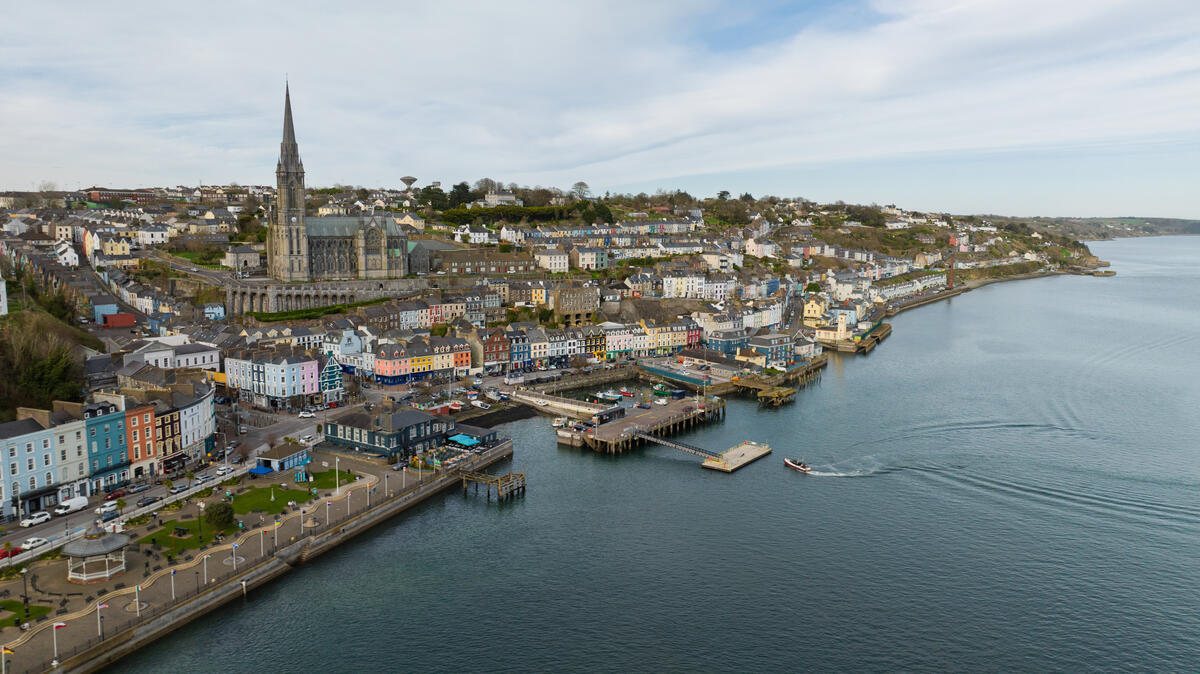
Hibernia Line the Perfect Choice for Passengers to Cork
Exploring Ireland and Europe has just become a little easier with the arrival of the new Hibernia Line ferry between Boulogne-sur-Mer and Ringaskiddy in Cork. This new service will offer passenger and cargo routes six days per week, all year round, and is an excellent way to travel from mainland Europe to the south of Ireland and vice versa.
Cork is a wonderful destination, offering opportunities to travel all over Ireland and particularly convenient for the city of Cork, which is an unbeatable location for foodies and golfers! Ringaskiddy, the town and port in Cork harbour at which the new Hibernia line docks, is known as the gateway to the Wild Atlantic Way, a stunning coastal route through Ireland’s finest countryside. It also provides easy access to Ireland’s Ancient East, with thousands of years of history to explore, as well as famous Irish landmarks.
Let’s take a look at the benefits of travelling directly from Boulogne-sur-Mer and find out more about what makes Cork an excellent place to visit.
Cork: The History and Landscape
Cork is the perfect place to begin exploring Ireland, and the passenger ferry to Ringaskiddy is a great way to access all that the Emerald Isle has to offer. Some of the most beautiful places in the world can be explored from the southern Irish port, and you can choose to discover the east or west of Ireland from here – or extend your trip and experience both! You may want to make the most of the Irish hospitality in major cities such as Cork, Limerick, Galway and Dublin, and you can enjoy a city break or a rural adventure when you arrive in Cork.
Our recommendation is to take it slowly; there is no need to rush, and you will make the most of the wonderful location if you are able to relax and enjoy the ride. If you are travelling to a city, take the scenic route and appreciate everything the countryside has to offer, and if you get the opportunity to travel along one or both of the historic coastal routes, you are in for a real treat.
The Wild Atlantic Way
The Wild Atlantic Way totals 2600km in length, making it one of the longest coastal routes in the world. It traverses the west coast of Ireland, from Kinsale, in County Cork, to the Inishowen Peninsula in the north, and the route is divided into fourteen stages to make it easier to explore. The Wild Atlantic Way includes famous landmarks and popular attractions, as well as some of the most incredible coastlines on Earth.
The coastal road runs through many enchanting villages, as well as stunning bays and beaches, and some of Ireland’s most impressive natural features are located here. These include:
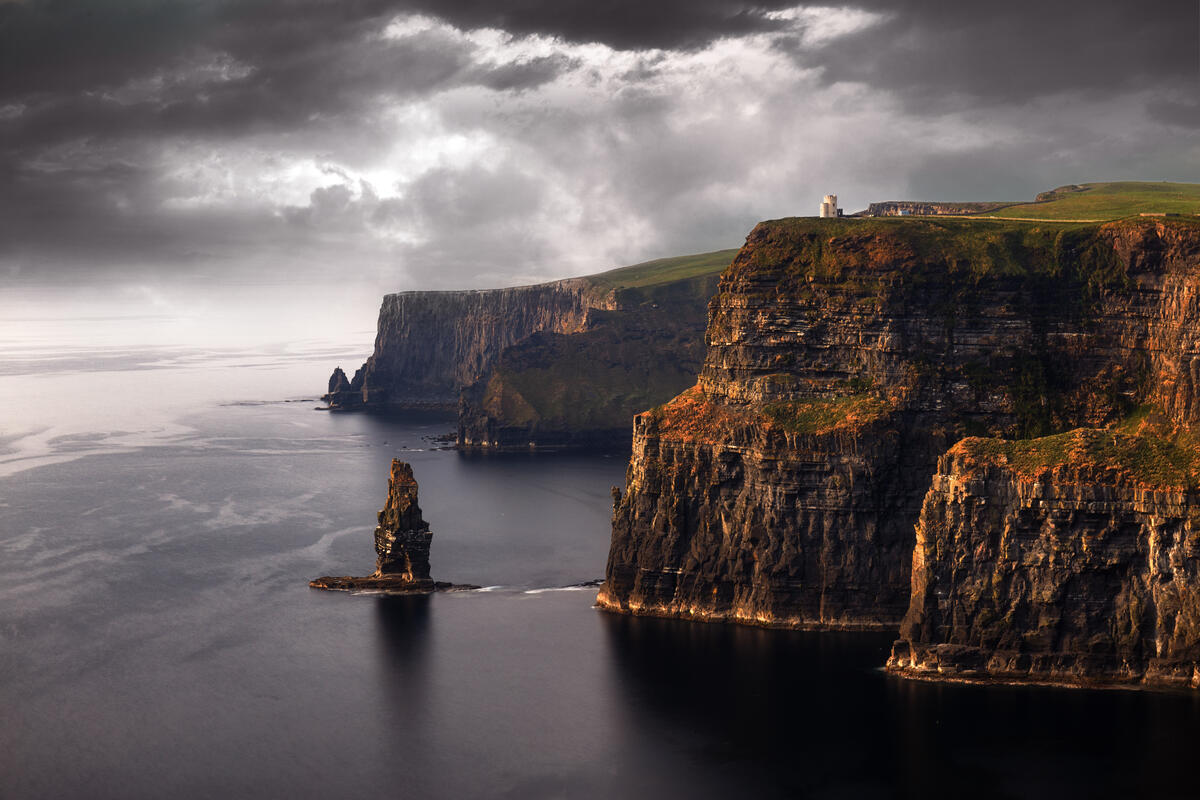
- Cliffs of Moher. The stunning Cliffs of Moher are a famous tourist spot where the coast of County Clare meets the Atlantic Ocean. The 214m cliffs can be reached via a path to O’Brien’s Tower, a famous watchtower that is well worth a visit. The visitor centre is the perfect place to find out more about this incredible area, and you can see the cliffs from off the beaten path if you follow the Cliff Walk hike from Doolin to Hag’s Head and then on to Liscannor.
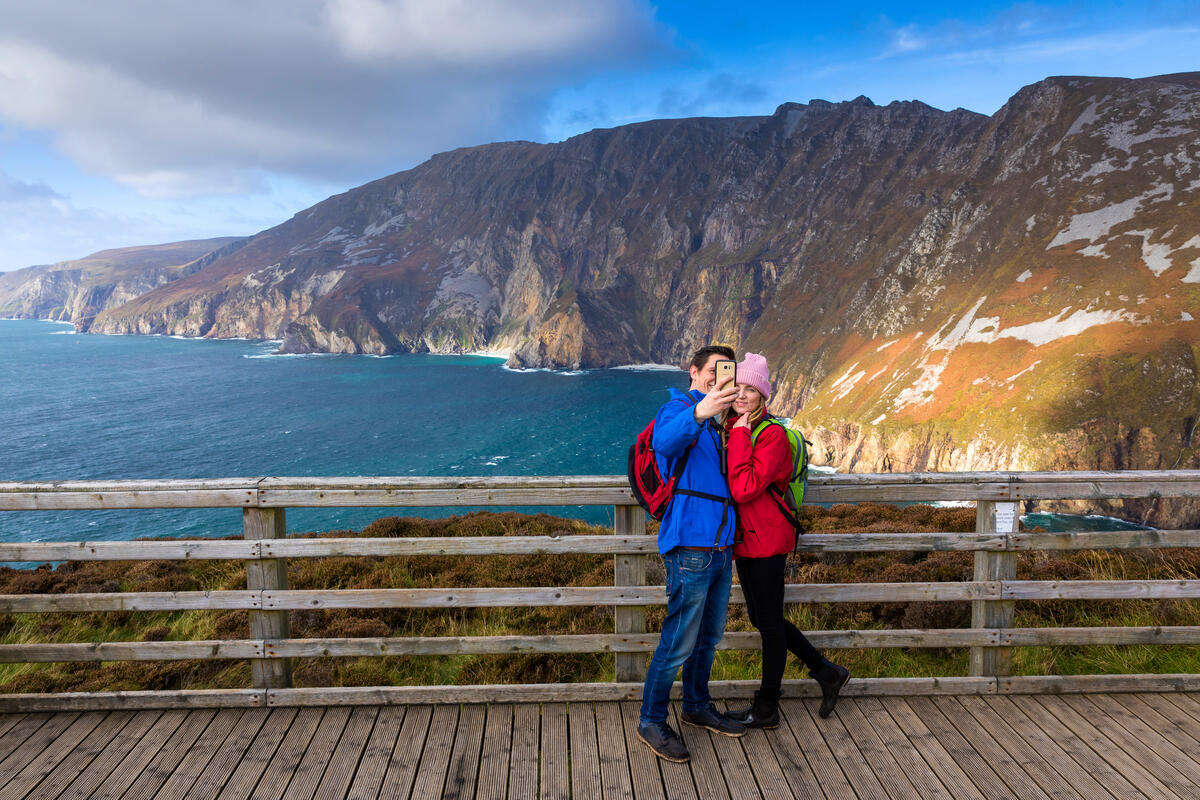
- Slieve League. Slieve League in County Donegal is a popular natural wonder on the Wild Atlantic Way, with cliffs reaching up to 600 metres, making it one of the highest sea cliffs in Europe. The narrow ridge path, known as One Man’s Path, is not for the faint-hearted, and you can cross the cliffs here if you are feeling adventurous. This area is free to visit, and you’ll find many excellent viewpoints for photographs of the scenery and wildlife.
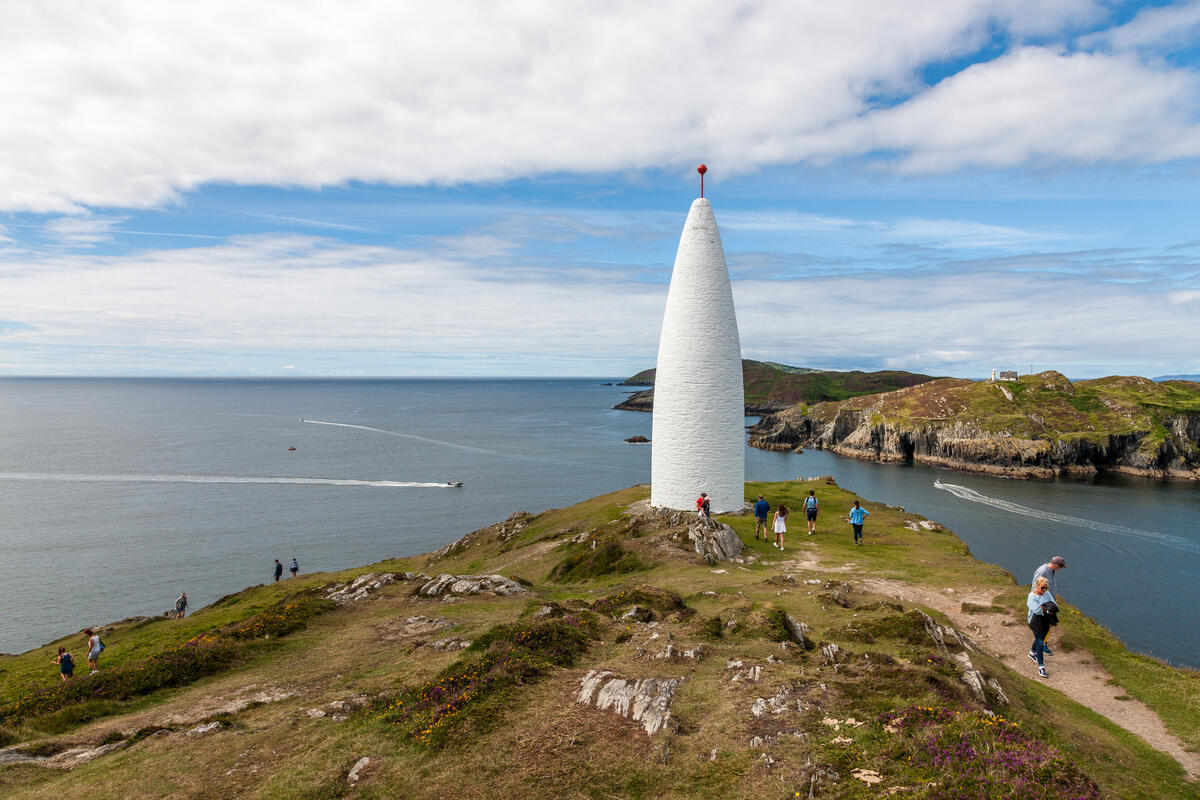
- Baltimore Beacon. Baltimore Beacon in County Cork is a whitewashed tower that guards the entrance to the harbour in Baltimore. This is known locally as Lot’s Wife, recalling the Bible story about the woman turned into a pillar of salt for defying God by looking back at the destruction of Sodom and Gomorrah. It’s free to visit this landmark, and it is generally recommended to spend an hour or two exploring the local area.
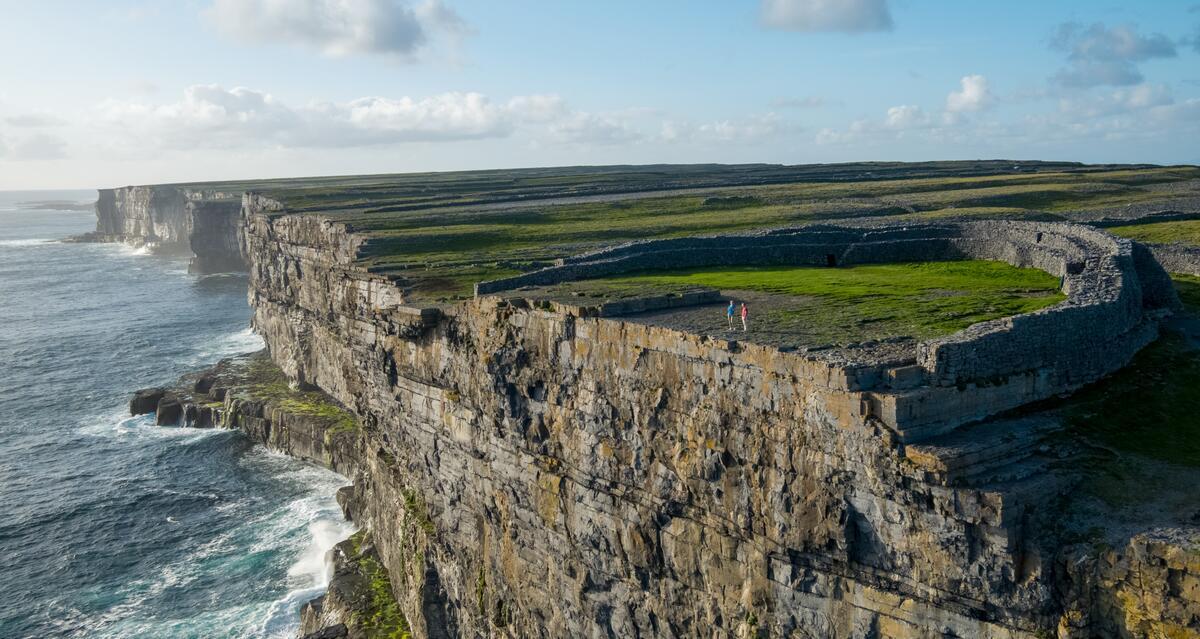
- Aran Islands. The Aran Islands are located off the coast of Galway and comprise three Irish-speaking islands, Inishmore, Inishmaan and Inisheer. You can step back in time when you take a boat trip to explore these amazing islands, accessible by ferry from Rossaveal or Doolin. This is the home of the Aran sweater, a real Irish treasure, and you can visit the prehistoric fort and find out more about the history of the communities that have built their lives in this isolated place.
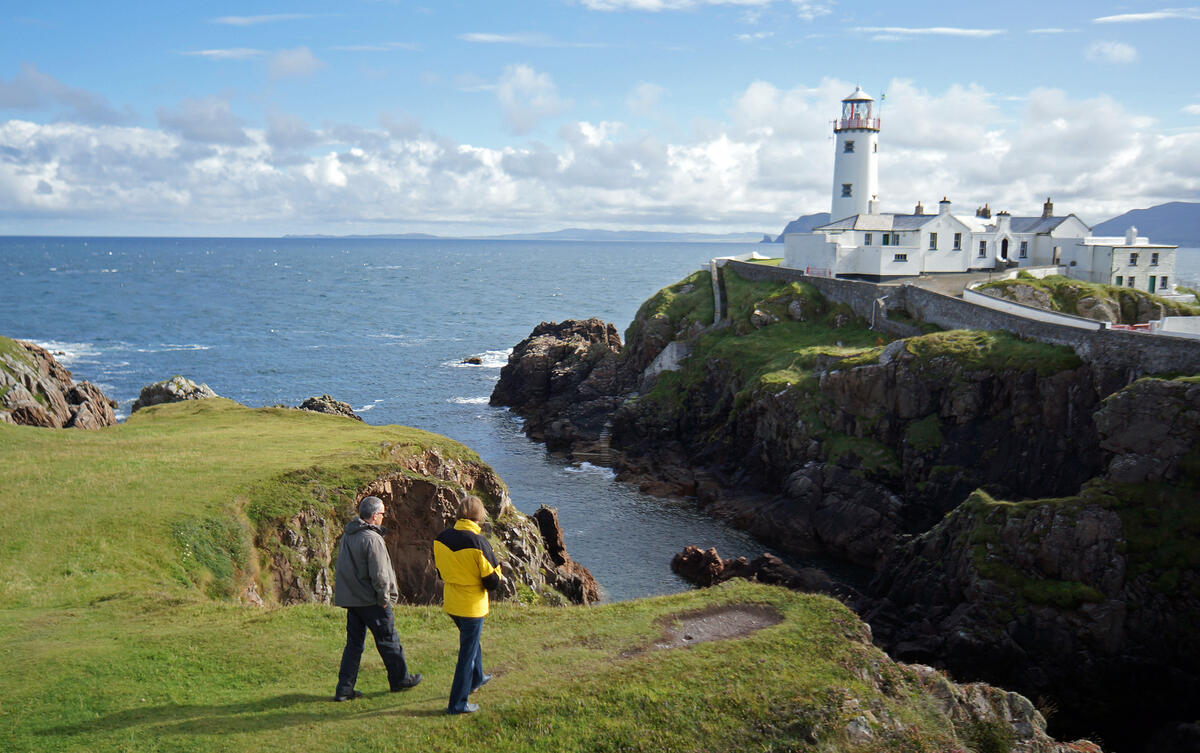
- Fanad Head. The Fanad Peninsula in County Donegal is a beautiful place to visit, and Fanad Head is at the northernmost point. The view out to the Atlantic Ocean is unbeatable, and you’ll see a beautiful lighthouse amid the waves. Within five kilometres, you can also visit the striking Great Pollet Arch, Ireland’s largest sea arch, the beautiful Pincher Bay and Kinny Lough lake.
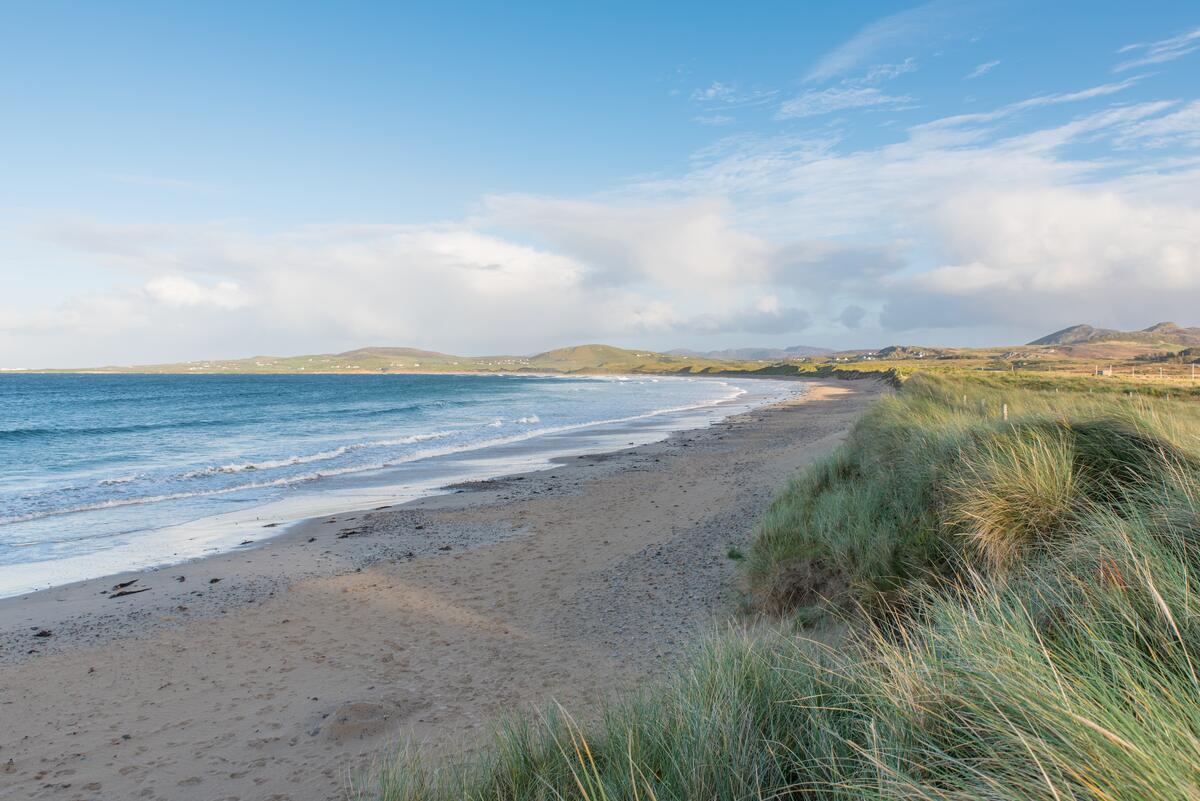
- Ballyhiernan Bay. If you make it to the end of the Wild Atlantic Way, you’ll find Ballyhiernan Bay on the Fanad Peninsula in County Donegal. This is a stunning beach that connects Rinboy Point in the west and Rinmore Point in the east, and it is popular with swimmers and walkers as a ‘Green Coast’
All of these and many more can be visited when you drive the length of the Wild Atlantic Way, and there are many accessible tour options along the way. You can discover some of the best B&Bs and boutique hotels on your quest, and you’ll love the many independent food producers and providers en route.
Ireland’s Ancient East
When you arrive in Ringaskiddy, Cork, you may instead opt to explore Ireland’s Ancient East, an alternative that enables you to explore the eastern side of Ireland and find out more about its unique history. This is an exciting journey through thousands of years of history, taking in castles, gardens and caves, and it’s a great way to spend your holiday. The route runs up the eastern side of Ireland and incorporates several key towns and cities, including Dublin, as well as rural sites.
There are thirty-seven tourist sites to explore, and our favourites include:
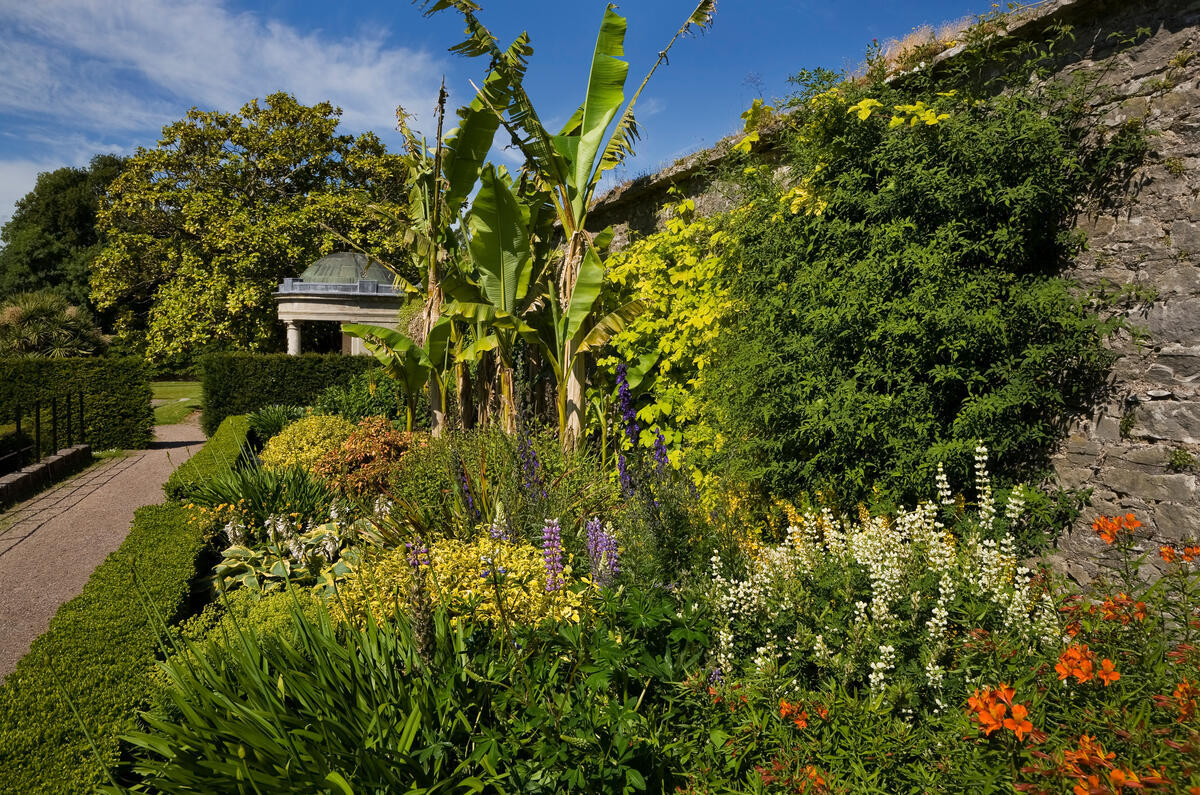
- Fota Arboretum and Gardens. Fota Arboretum and Gardens is located on Fota Island, 16km from Cork city centre. The arboretum covers 11 hectares of rare trees and shrubs, including exotic species, and features an ornamental pond, orangery and sun temple. The neighbouring wildlife park is also an excellent place to visit, especially if you are travelling with children.
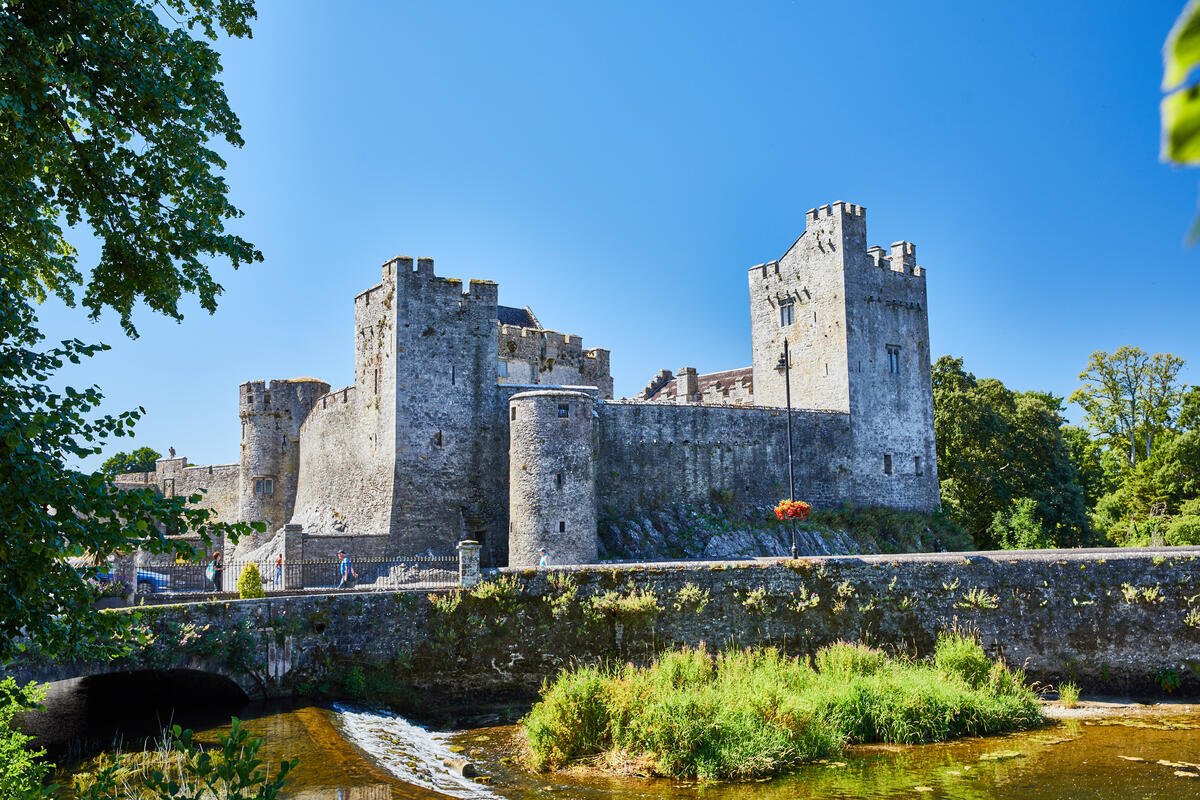
- Cahir Castle. Cahir Castle in County Tipperary is one of the largest and best preserved castles in Ireland, dating from the 13th century. Originally the stronghold of the Butler family, it was besieged by the Earl of Essex in 1599 and was of strategic importance in the Irish Confederate Wars. You can see a great deal of the original structure and enjoy the audiovisual show that explores the castle’s long history, as well as its role in recent film and TV productions such as Excalibur and The Tudors.
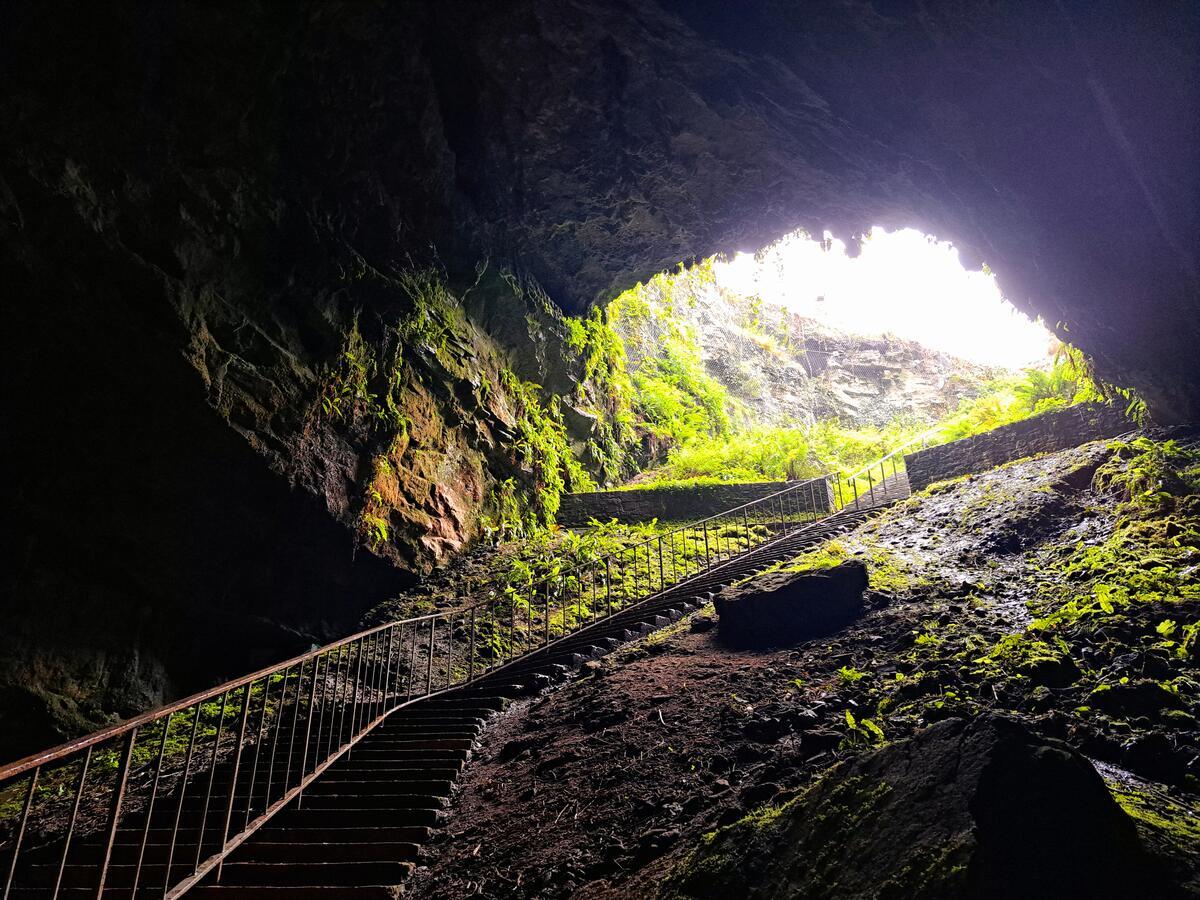
- Dunmore Cave. Dunmore Cave is close to the town of Kilkenny and is a series of limestone chambers. The cave contains impressive calcite formations formed over millions of years and was first mentioned in the ninth-century writings, Triads of Ireland, where it is referred to as one of the ‘darkest places in Ireland’. It is believed that a Viking massacre led by Guthfrith of Ivar took place here in 928, and you can join a guided tour of the cave to find out more. Booking in advance is recommended.
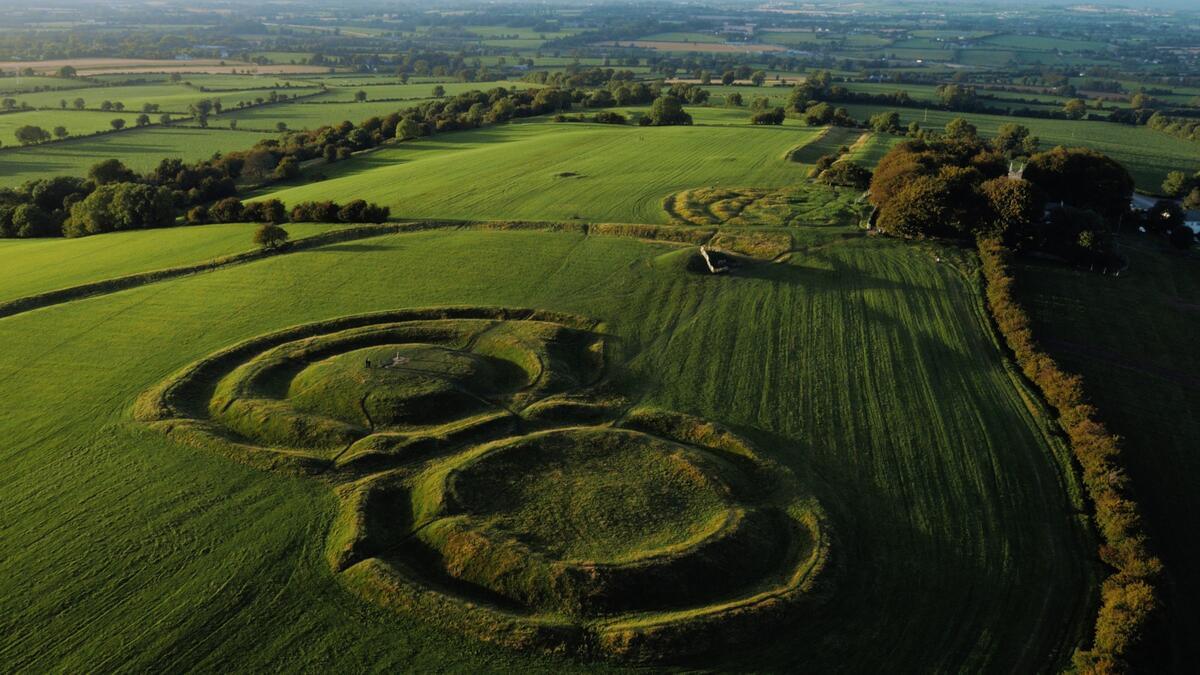
- Hill of Tara. The Hill of Tara is an ancient site that has been important since the Stone Age, and later became the seat of the High Kings of Ireland. You can discover the Mound of the Hostages, a passage tomb that is thought to be five thousand years old, and see the Lia Fail, which is one of the four treasures of Tuatha De Danann, known as the great coronation stone. The site is open for access all year round, and the visitor centre is open daily from 1st May to 30th September, when tour guides may be available.
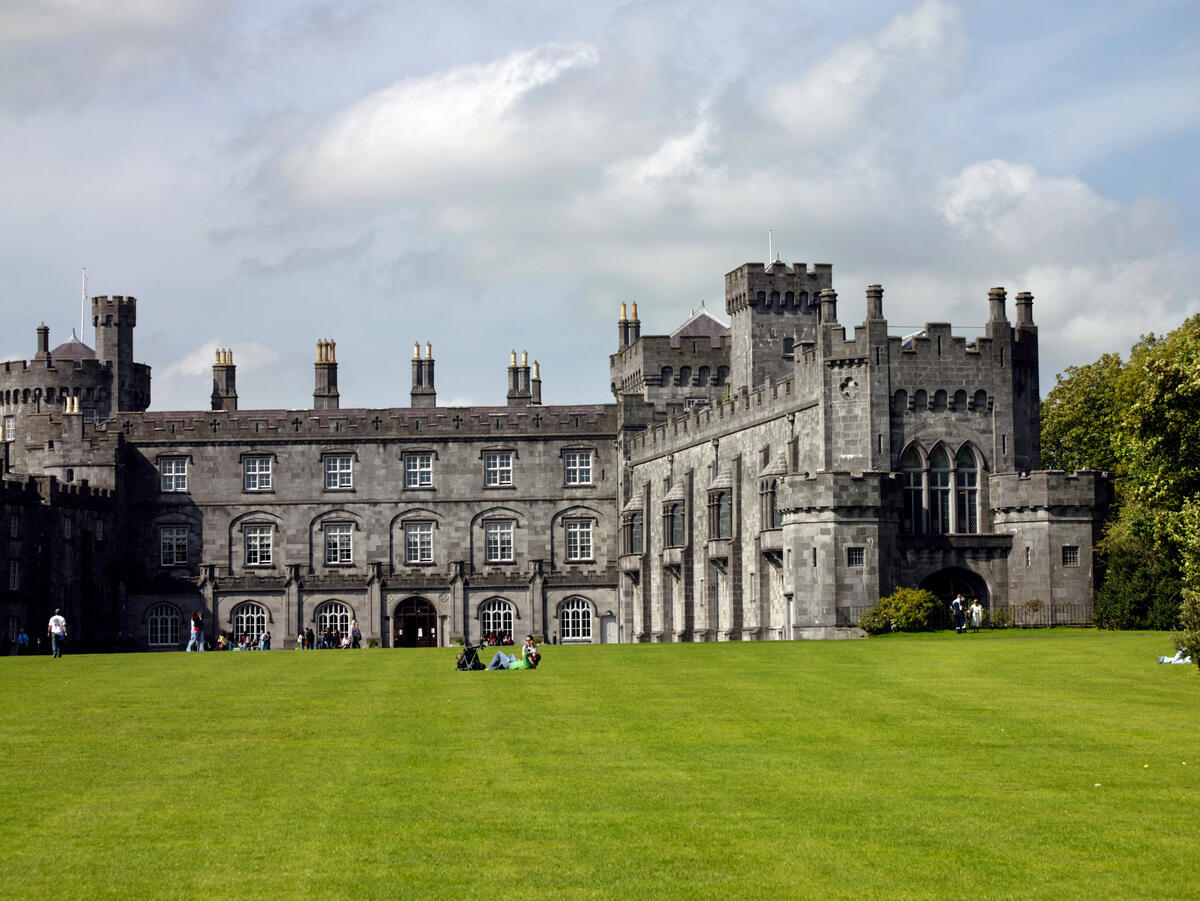
- Kilkenny Castle. Kilkenny Castle dates from the 12th century and was home to the Butlers for almost six hundred years. The castle underwent significant remodelling in Victorian times and has been sensitively restored to include the library, drawing room and bedrooms as they would have been decorated in the 1830s. The 19th-century picture gallery is unique in itself and houses the paintings collected by the Butler family.
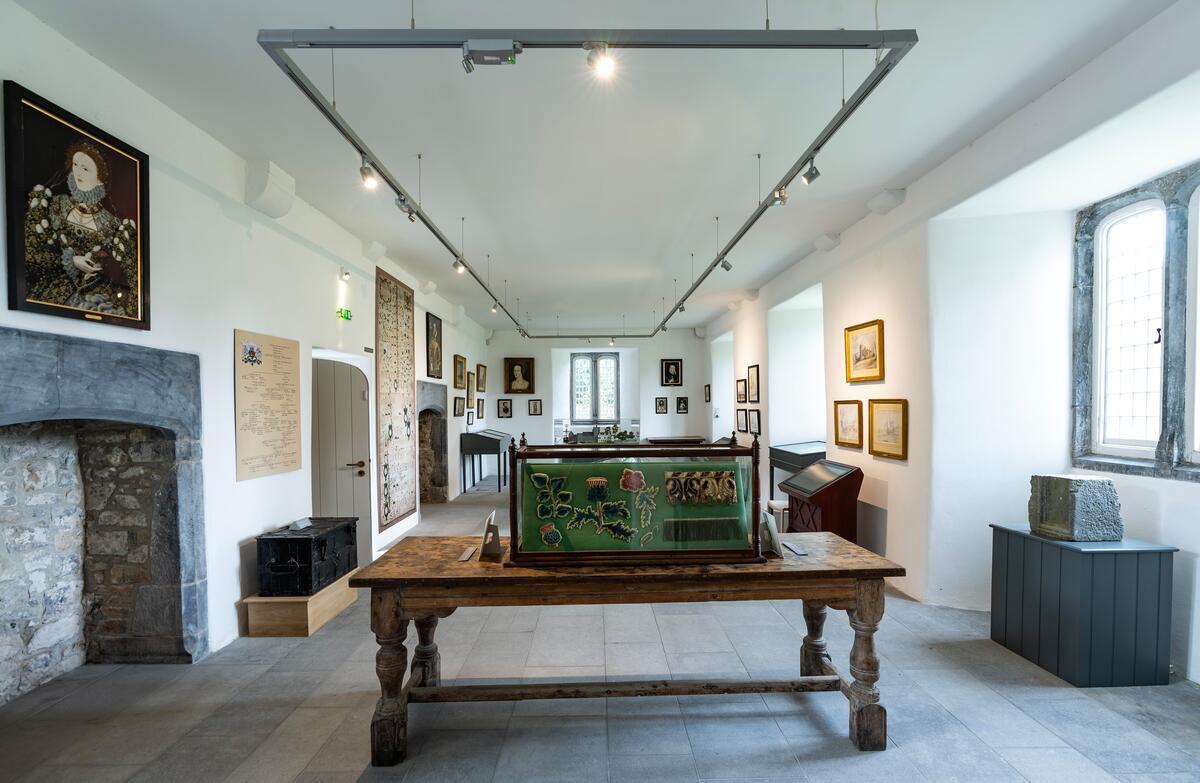
- Ormond Castle. Ormond Castle is the finest example of an Elizabethan Manor House in Ireland, and joins an early medieval castle by the riverside. Ormond Castle was built by the 10th Earl of Ormond in honour of his distant cousin, Queen Elizabeth I. It features an impressive great hall, known as the Long Gallery, and plasterwork portraits of Tudor monarchs. This is a truly stunning attraction, and you can discover the beautiful rooms and courtyards for yourself when you visit Carrick-on-Suir.
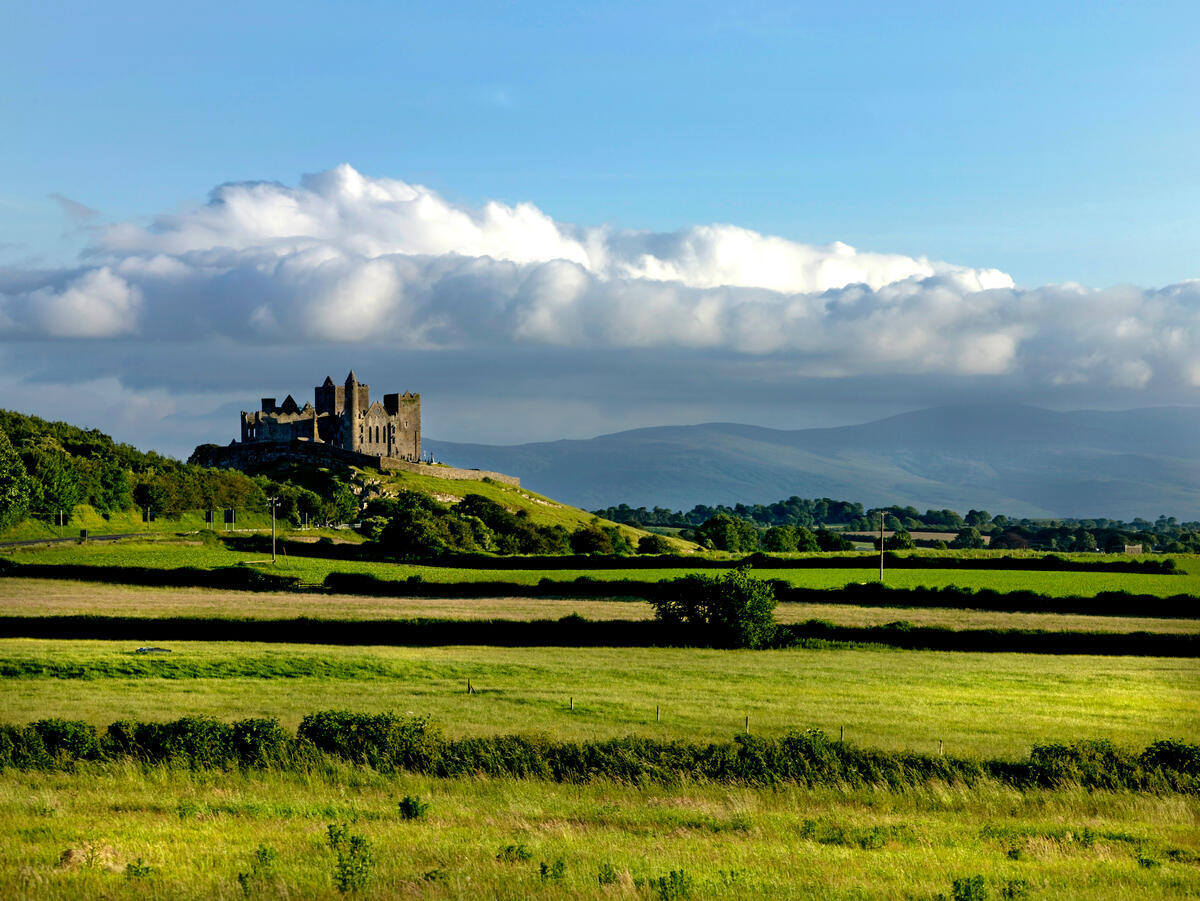
- The Rock of Cashel. The Rock of Cashel is also located in County Tipperary, and is home to the most impressive collection of medieval buildings in Ireland. It includes a round tower, a Gothic cathedral, a Romanesque chapel and an Abbey, among other buildings. This was originally the seat of the kings of Munster, and the legends tell that St Patrick travelled here on his mission to convert King Aenghus to Christianity. The history of this unique site is fascinating, and it is no surprise that it is one of the most popular destinations for tourists visiting Ireland.
There are many other sites in Ireland’s Ancient East, including the stunning Tintern Cistercian Abbey and Trim Castle, which dates back to the Norman times. If you’re a history fanatic or you simply want to find out more about the people who made Ireland what it is today, you’ll love this amazing experience. You can, of course, explore as much or as little of Ireland’s Ancient East as you wish, and you’ll find a great selection of hotels and accommodation options to choose from.
Convenient, Comfortable Travel
When you’re taking a trip, whether for business or leisure, you’ll want to ensure that you travel in comfort, and the Hibernia Line is designed to provide this for you. In a 21-hour crossing, you’ll enjoy the luxury of a private cabin and well-appointed facilities, and you won’t need to worry about the environmental impact of flying!
Cork is an excellent location for discovering all that Ireland has to offer, and whether you want to tour the buzzing cities or make the most of rural Ireland, you’ll find everything you need here. From car hire to boutique hotels and welcoming Bed and Breakfasts, Cork Port is the perfect place to start your trip.
The Hibernia Line: Passenger Ferry
The Hibernia Line brings you six departures per week in two high-quality 350 cabin vessels, making it possible for passengers to travel easily between Cork and Boulogne-sur-Mer. This service can also be used by businesses moving cargo within the EU, taking advantage of a route that is unaffected by Brexit and the high costs and risk of delay that the UK land bridge now incurs.
With the new Hibernia Line schedule, you can pick the crossing that suits you and get started planning your Irish adventure. We aim to exceed our customers’ expectations every time, and you can find more information and booking details on our website. There’s no better way to explore Ireland!