
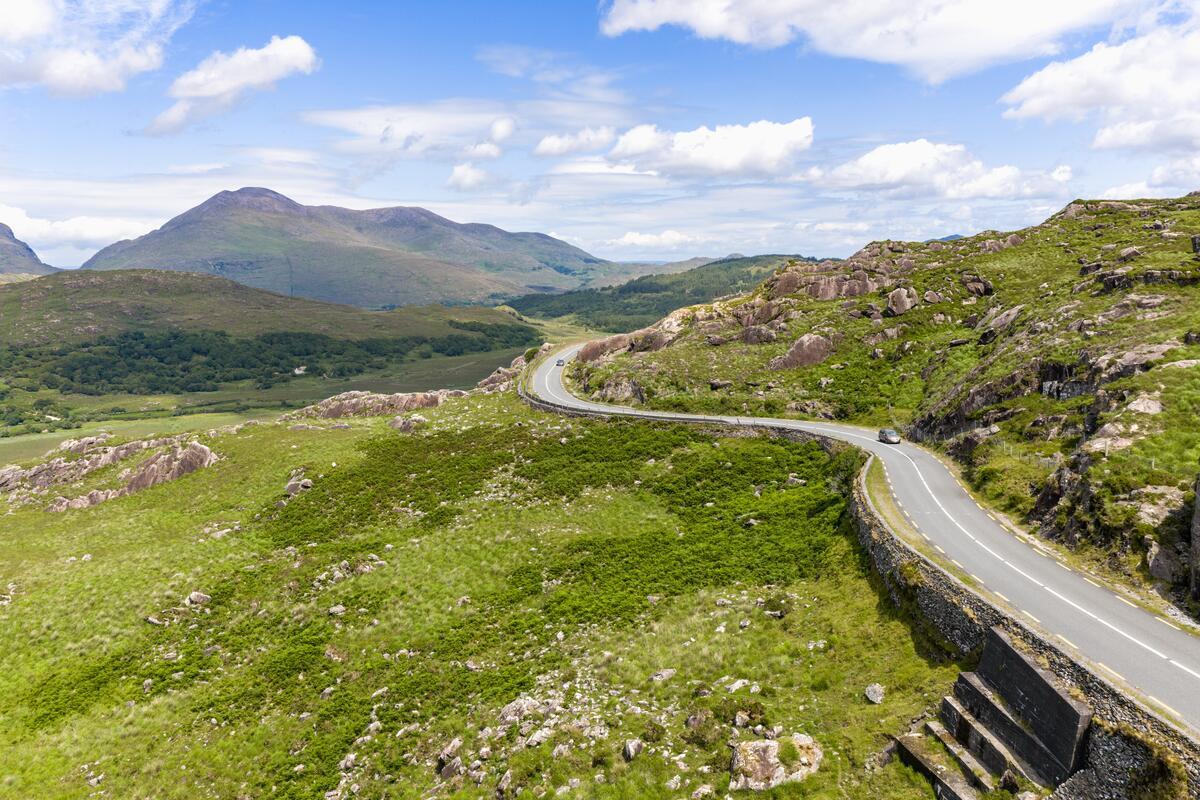
The Wild Atlantic Way by Campervan
If you’ve never visited the Wild Atlantic Way in Ireland, you’re in for a treat. Bringing your camper van from France to Cork gives you the opportunity to explore this incredible destination at your own pace, and we’ve put together a comprehensive guide to help you to make the most of your trip.
Discovering Ireland in your camper van opens up a world of options, and the Wild Atlantic Way is a truly special choice. With historic sites, culinary delights and breathtaking views, this is the longest defined coastal touring route in the world, and you can choose your own itinerary to take in the stunning sites and enjoy the infamous Irish hospitality.
Bringing your camper van has never been easier, and the Hibernia Line runs between Boulogne, France and Ringaskiddy port in Cork six times per week. Our convenient overnight crossings are a great way to start your adventure, with our luxurious cabins and a variety of excellent dining options. You’ll find all the information you need to know about the Wild Atlantic Way here in our guide for French travellers to Ireland, so read on to start planning your next trip!
What is the Wild Atlantic Way?
The Wild Atlantic Way is a coastal touring route that runs for 2,500km along the west coast of Ireland. From the Inishowen Peninsula in County Donegal to Kinsale in County Cork, this beautiful route can be broken down into manageable sections so that you can explore without rushing, and we’ll take a look at some of the route options here.
Driving the whole of the Wild Atlantic Way is a mammoth undertaking and will require an extended trip with your camper van if you want to enjoy it all. Simply driving from one end of the route to the other and back again will not give you a true flavour of Ireland, so it’s a good idea to make sure you have enough time to relax and enjoy your travels, or choose a section of the route to focus on. If you arrive on the Hibernia Line Ferry, you’ll be close to Kinsale, one of the Wild Atlantic Way’s highlights, and you can start here and build a route that suits you and your travelling companions.
Highlights of the Wild Atlantic Way
The Wild Atlantic Way takes in several small towns and villages as it winds through the rural landscape, and you’ll find many incredible sights along the way. We’ll focus on the south of the Wild Atlantic Way, as it’s well located for the Hibernia Line ferry, which arrives at Ringaskiddy Port, Cork, and we’ll look at some highlights you won’t want to miss.
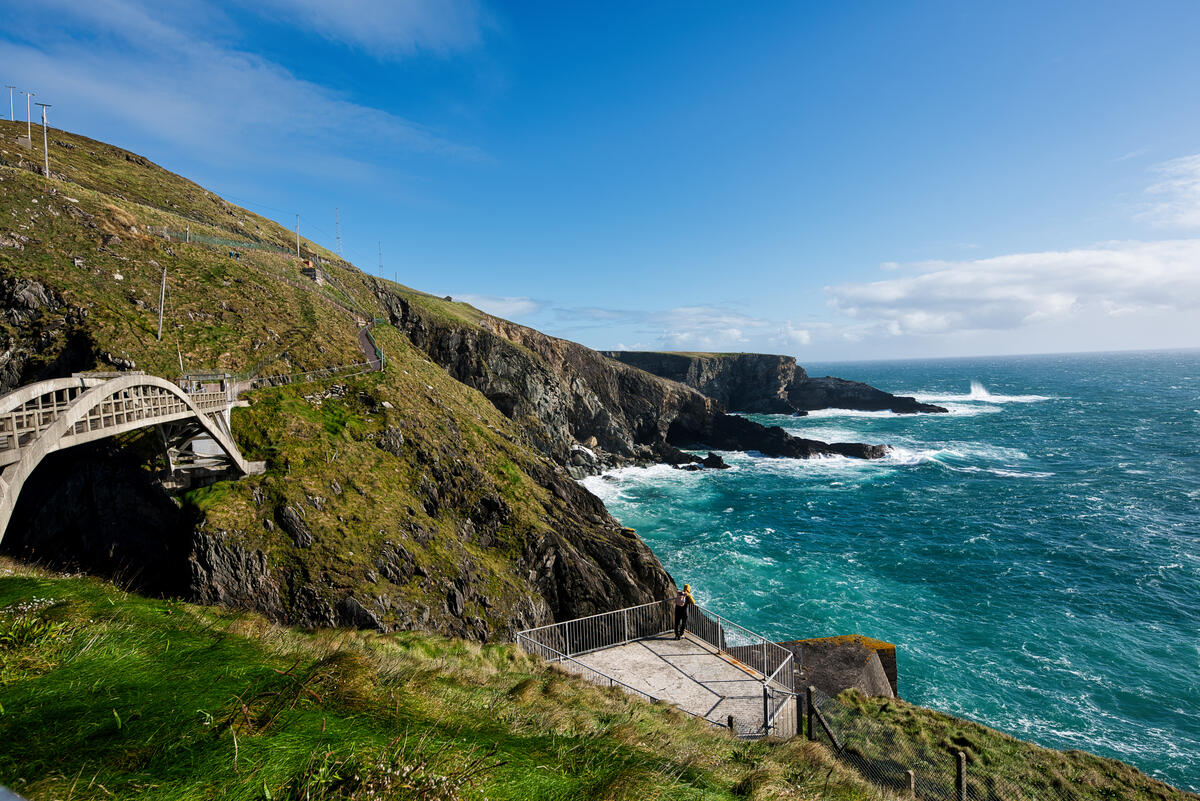
The Mizen Peninsula.
The Mizen Peninsula in the south-west of Ireland is a great place to begin your adventure, with stunning sandy beaches, impressive cliffs and small fishing villages that give you a flavour of rural Ireland. You can drive the 207km from Durrus to Kinsale in one day or break it down by stopping to explore in Ballydehob, with its impressive viaduct, Baltimore or Crookhaven, which has a beautiful lighthouse opposite, on Rock Island. Don’t be tempted to skip the stunning Barley Cove, and make sure you give yourself time to soak up the atmosphere at the historic Drombeg Stone Circle. You could focus your entire trip in this area and discover the incredible beaches and picturesque towns for yourself, including Kinsale, which is famous for its colourful houses and impressive culinary choices. Make sure you have time to visit the dramatic Mizen Head cliffs, one of the most southwesterly points on the Wild Atlantic Way, with its Signal Station and Visitor Centre, which are open daily from April to October and at weekends throughout the winter.
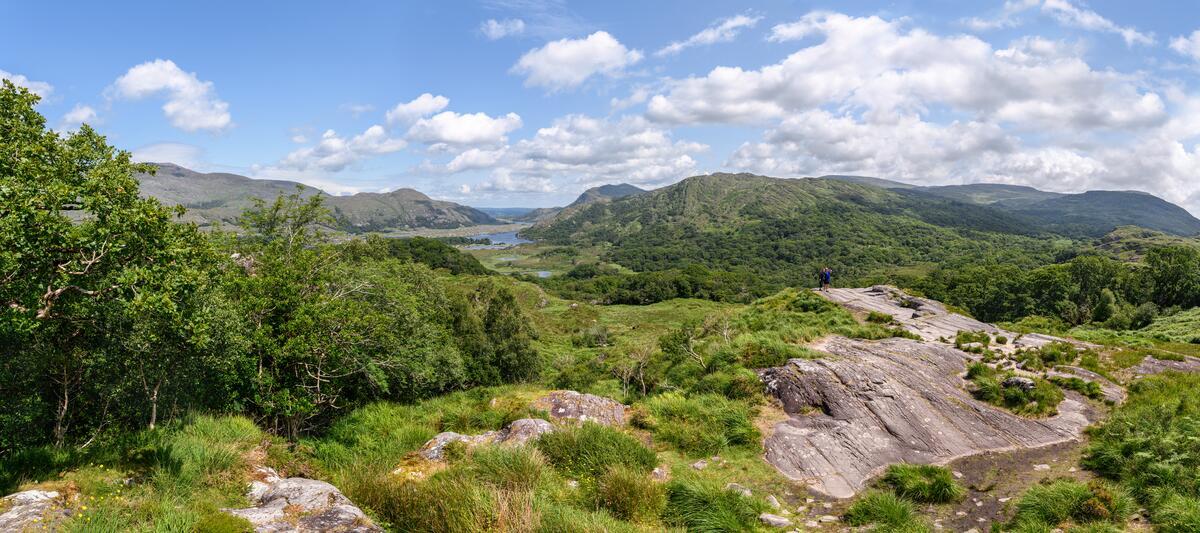
The Ring of Kerry.
The Ring of Kerry is the most frequently travelled tourist route in Ireland, and it is a great choice when you’re planning to explore the Wild Atlantic Way. Following the coastline of the Iveragh Peninsula, the Ring of Kerry loops for 175km, from Castlemaine to Kenmare. You’ll love the stunning Abbey Island, and the atmospheric Skellig Islands are a particular highlight. At Ballinskelligs Bay, close to the pier from which the Skellig boats depart, you’ll find McCarthy Mór Tower, which was built in the 16th century and still stands guard over this stunning area. When you visit Ireland in your camper van, you’ll find that some routes are not suitable for large vehicles due to narrow roads, so you’ll need to take this into account depending on the size of your camper van. The Ring of Kerry is much more accessible than the Ring of Beara, for instance, but the latter may make an excellent alternative if you prefer a quieter trip and your campervan is not too large.
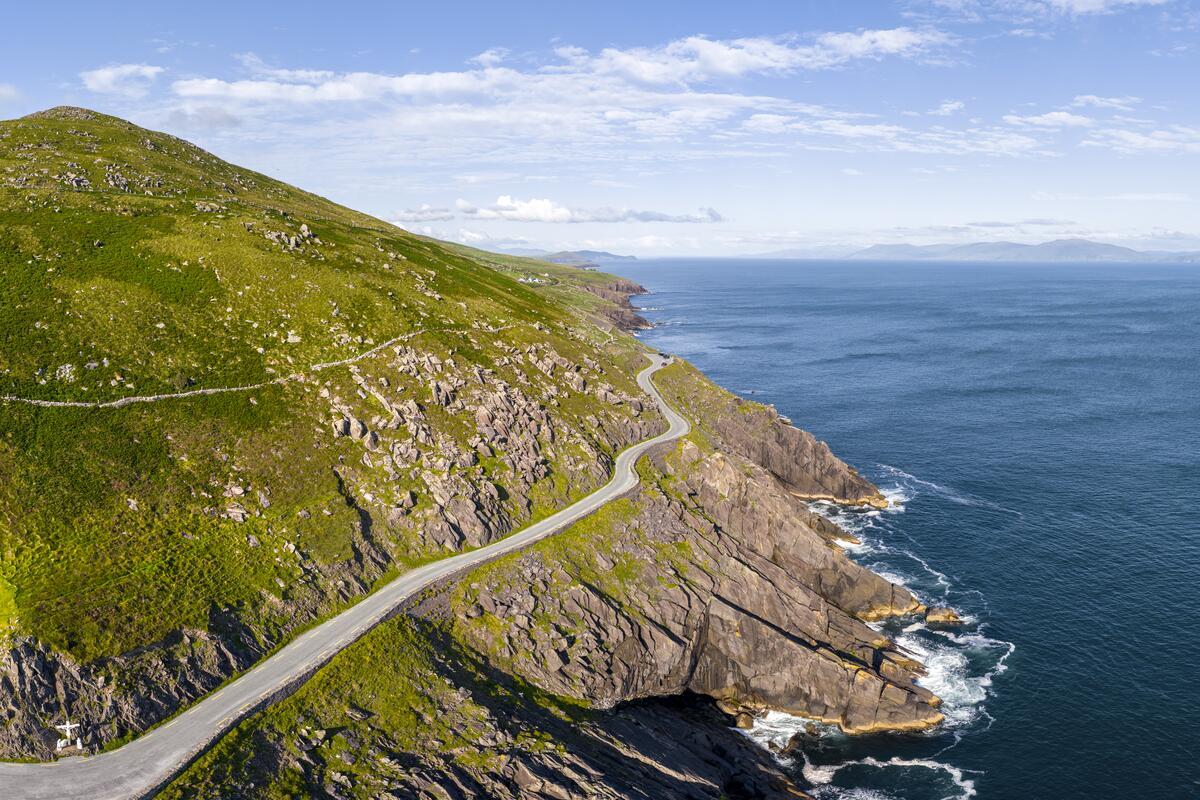
Dingle Peninsula.
If you love the ocean, you might want to focus your trip on the Dingle Peninsula, especially if you’re planning to make the most of the famous Irish surfing beaches. Inch Beach is a highlight, and you’ll find surf schools located here if you want to brush up on your board skills while you’re on your travels. You’ll also find great surfing potential at Banna Strand, Brandon Bay and Ballybunion. This is also a wonderful area to steep yourself in the fascinating history of Ireland, and you can discover the Reask Monastic Site with its early Christian Cross Slabs engravings as well as the incredible Cashel Murphy, an archaeological stone cashel and cluster of drystone huts on the Slea Head Drive. This was home to a colony that can be dated back to 3200BC, and the enclosed stone fort is a truly special addition to your must-see list.
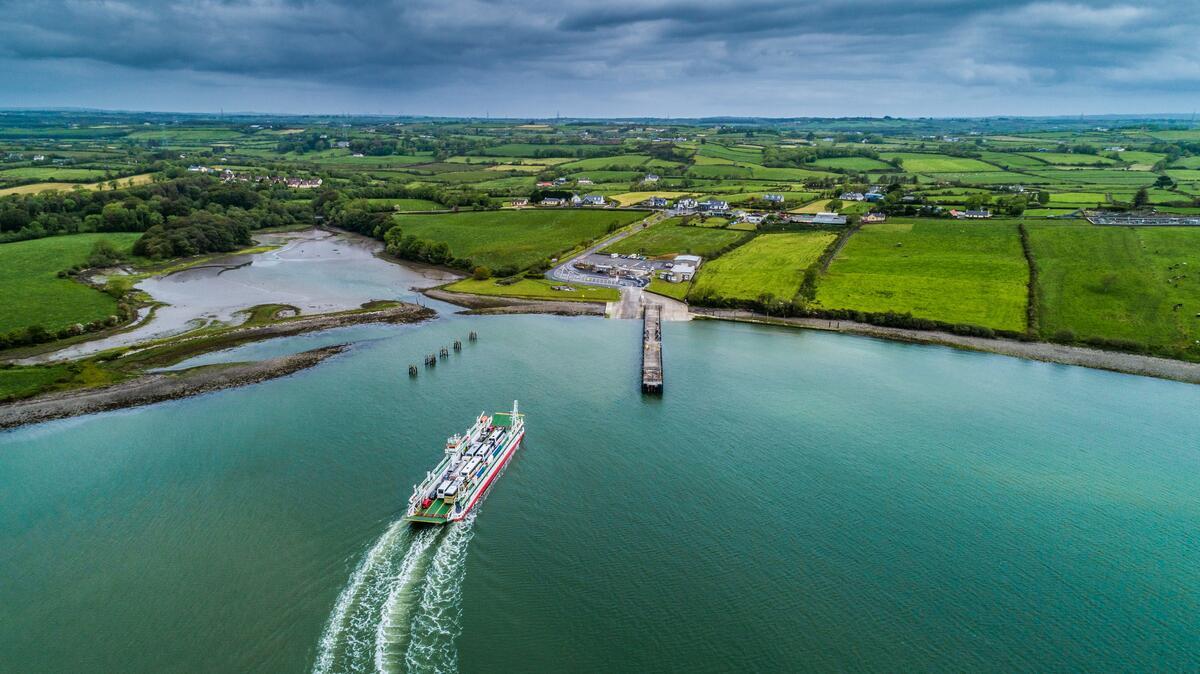
The Shannon Estuary.
If you fancy travelling a little further afield, you’ll find the Shannon Estuary located in West Clare, close to Kilkee. This is a breathtaking coastal landscape with impressive cliffs rising to 80 metres above the Atlantic Ocean, and the Loop Head Drive runs along the coastline here. Don’t miss the Bridges of Ross, where you can still see the last remaining rock arch that creates a bridge across the ocean, and the delightful Loop Head Lighthouse, which is an excellent location to view large colonies of seabirds. Visit from April to October if you want to go into the tower, or enjoy the stunning vistas all year round. The Shannon Estuary is the perfect place for a wild encounter, home to dolphins that live in these waters all year round and birth their calves here. You can take the car ferry across the estuary from Killimer in County Clare to Tarbert in County Kerry in around 20 minutes, and there are several ruined castles and ancient sites to explore in the area.
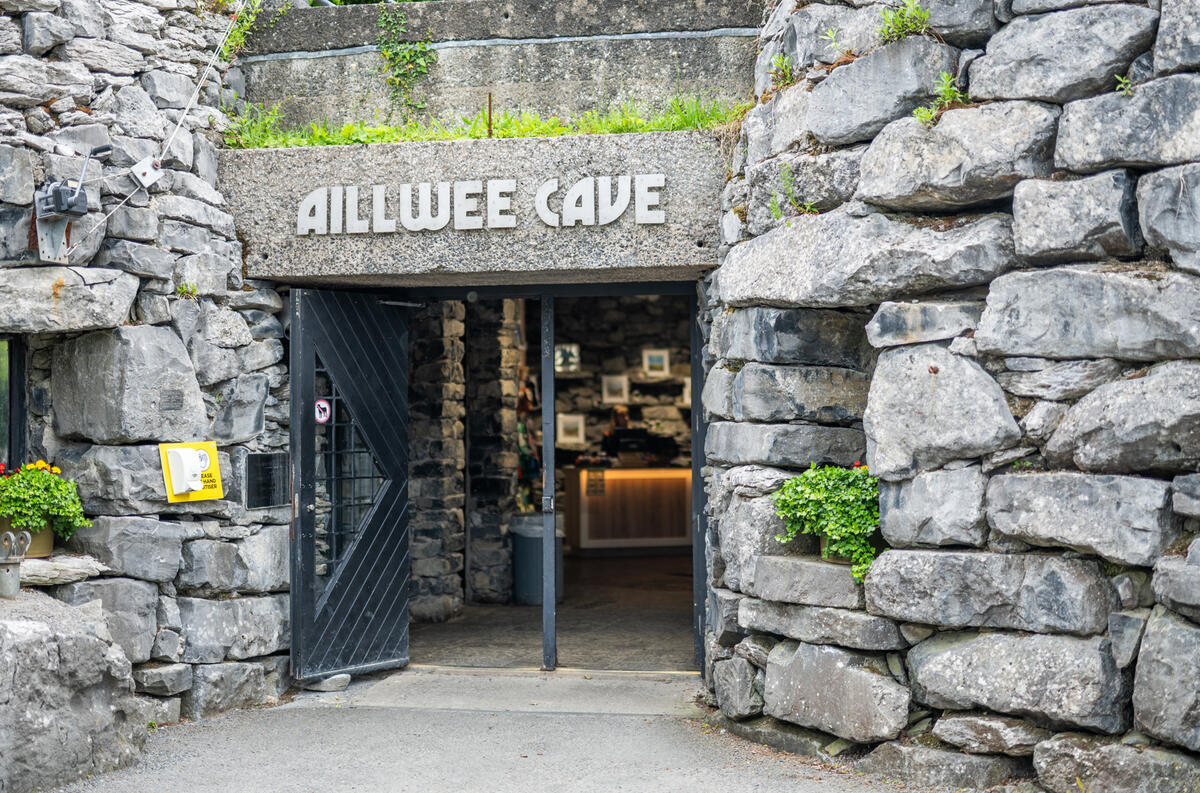
The Burren.
When you arrive in Cork, we recommend taking a day or two to enjoy all that this beautiful city has to offer before you begin your exploration of the Wild Atlantic Way, and when you head out, you won’t find a more stunning contrast than the landscapes of the Burren. This ancient land offers a fascinating rocky backdrop to your travels, and the landmarks here will give you a real flavour of the heart of Ireland. From Doonbeg Castle, Doonagore Castle and Dunguaire Castle to the iconic Cliffs of Moher, you’ll find yourself spoiled for choice here. Whether you’re enjoying one of the regular medieval banquets at Dunguaire or fossil hunting at Flaggy Shore, there’s something for everyone in the Burren and West Clare. You can even take a food tour in the local area, sampling the delights created by artisan producers, and find out why Ireland is famous for its hospitality all over the world.
You can also explore the tourist opportunities available on the route you choose, from Distillery tours to artisan food markets and boat trips. Staying in your camper van means that all the delights of the Wild Atlantic Way are accessible to you, and you’ll have the freedom you need to create a very special trip.
Taking Your Campervan to Ireland
When you’re bringing your campervan to Ireland to explore the Wild Atlantic Way, you can plan the trip of a lifetime through the colourful towns, mountains and coastal scenery and take in as many counties as you like, depending on the time you have available to you.
There are a few things you need to know about driving in Ireland, including:
- Vehicles drive on the left-hand side of the road in Ireland.
- It’s easy to bring your camper van to Ireland on the Hibernia Line, which offers six overnight crossings per week from Boulogne-sur-Mer to Ringaskiddy, Cork.
- You can stay in campsites all over Ireland, and most of these can be booked in advance.
- Campsite prices will vary according to facilities and location, but are likely to range from €30-€60 per night.
- Wild camping is not allowed in Ireland, so you cannot just park your campervan anywhere.
- Everyone in your campervan must wear a seat belt at all times
Road signs indicate distances and speed limits in kilometres in Ireland.
If you are longing to explore Ireland in a camper van but do not have your own, don’t forget that you can hire a camper van here in Ireland as long as you have a valid driver’s licence or international driving permit. There are many camper van rental companies in Ireland and in France, so take your time to compare the options, and remember that you can travel as a foot passenger on the Hibernia Line if this is the best option for you.
You’ll find a wide range of campsites along the Wild Atlantic Way, including Inch Beach Campsite for the ocean enthusiasts and Desert House Caravan and Camping Park overlooking Clonakilty Bay. Whether you require wifi, a great local restaurant or easy access to the beach, you’ll find the perfect campsites for your trip, and you can use the Camping Ireland website to do your research and book your stay.
Essential Information for Your Trip to Ireland
In Ireland, you’ll find that help is always close at hand in an emergency, and you’ll never be very far from well-stocked pharmacies and medical facilities. It’s essential to ensure that you have travel insurance, all documentation required to bring your vehicle to Ireland, and that you can produce this whenever you need to.
Don’t forget that you will need:
- Your passport or valid national identity card
- Travel insurance
- Details of your health insurance provider
- Driving licence or international driving permit
- Vehicle registration documents
- Vehicle insurance that covers you to drive in Ireland
- Safety equipment in case of emergency, including a red triangle and high-visibility vests.
If you are travelling with a child and you are not the parent, you may also require a signed letter from the parent or guardian permitting you to travel with the child.
The Hibernia Line: Take Your Campervan from France to Ireland
Taking your campervan to Ireland from France is easy when you travel on the Hibernia Line from Boulogne-sur-Mer to Cork. The route is open all year round so that you can travel whenever it suits you. Travelling directly from Boulogne to Cork means you don’t need to cross the UK, which can be time-consuming and stressful, so you can relax in comfort on board and arrive in Ireland feeling refreshed and ready to begin your adventure.
Here at Hibernia Line, you’ll find all the information you need to book your next holiday in our blogs. We have several trip suggestions for you, with sample itineraries to inspire you, and we’ll share all of our top tips to help you plan your holiday in Ireland or continental Europe. The sky is the limit when you’re planning a camper van adventure on the Wild Atlantic Way, so you can start looking forward to your next holiday today!