



Driving from Ireland to Europe: The Ultimate Road Trip Guide
Imagine taking a road trip through Europe, exploring new places with great company and a fantastic playlist… The dream begins with a convenient ferry journey that can take you and your vehicle from Ireland to Boulogne-sur-Mer, the ideal location to begin your trip.
When you’re planning a European road trip, you are not restricted to certain routes – although some are better than others – and you are free to decide in which direction you would like to travel. Will you head for the South of France, spending a few days in Paris on the way? Or you could drive over to Germany, travelling through Belgium and the Netherlands to take in several beautiful locations on your road trip and make the most of the impressive autobahn network.
If you have an extended length of time for your trip, you might even want to explore Scandinavia, where you can take advantage of quieter roads and move at your own pace. There are several options to consider, and we’ll take a look at some of the best route choices as we share our top tips for European road trips.
Drive to Europe from Ireland
In Ireland, we’re spoilt for beautiful landscapes and incredible views, but when you fancy a change, the Cork to Boulogne ferry is the perfect choice. Once you reach the well-located port of Boulogne-sur-Mer, you’ll have endless options to explore, and Europe is your oyster! This is a great place to arrive in mainland Europe, close to Belgium and just a few hours from Paris, and you’ll find it offers much more convenient access to the South of France, Germany and the Netherlands than other Ireland-France ferry crossings. Many of these ferry routes run to the west of France, and this can be restrictive if you are hoping to travel further afield, so Boulogne is a great alternative.
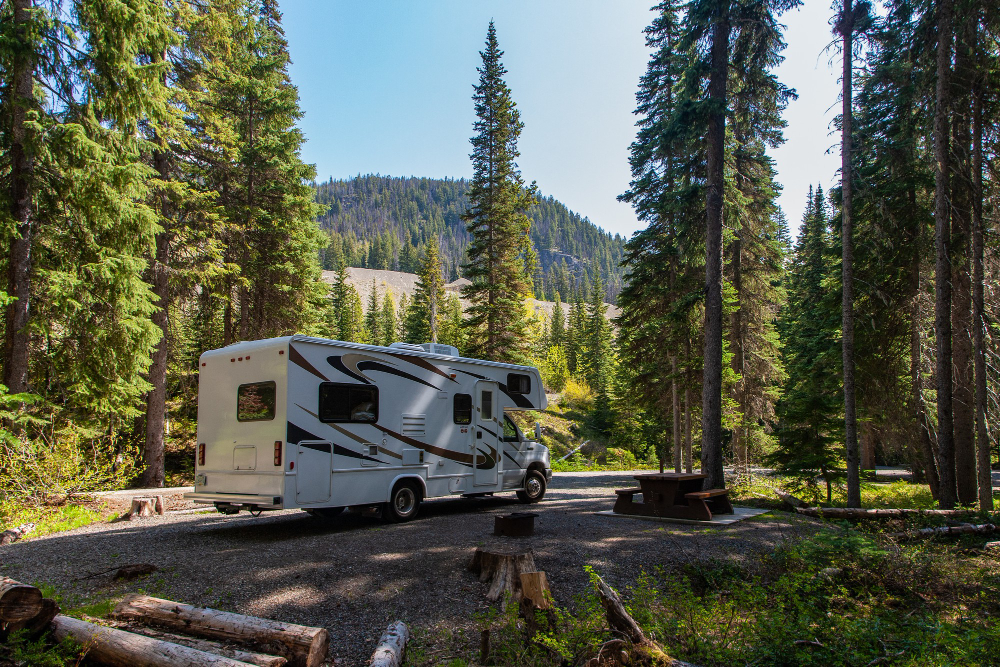
If you’re travelling in a camper van, you’ll have all of your creature comforts on board, and you can be sure you’ll get a good night’s sleep, wherever you are. You may want to book campsites or explore the Aire network in France, which allows you to park up and use the facilities in many convenient locations. Several schemes in France and Germany allow you to park your camper at vineyards or farms, and this gives you a chance to experience life from a new perspective.
If you are travelling by car, you’ll need to decide whether you will stay in hotels or bed and breakfasts along the way, or whether you will stop for several days in each location and rent a house or apartment to explore from. You can mix it up a little, with a city apartment for a few days and boutique hotels in the countryside in between. The beauty of a road trip is that you can simply follow your heart, exploring areas you have never been to before or reliving favourite memories. Keeping your options open is highly recommended, in case an opportunity arises to try something special, although having a backup plan is always a good idea!
Planning Your Road Trip
Booking your Ireland to France ferry for yourself, your travelling companions, and your vehicle is the first step in your trip of a lifetime – and we’re here to make sure you set yourself up for success. Points to consider include:
- How will you travel? Travelling by ferry from Cork to Boulogne is a great start, ensuring that you arrive in Northern France, close to Belgium. You’ll travel the route on our efficient ferry service with 350 comfortable cabins, and you can choose the options that suit your schedule, with year-round sailings to choose from. You’ll take your own vehicle on the ferry with you, so you can pack all of your essentials and drive straight off onto your adventure when you arrive, or you can hire a campervan and make it your home for the duration of your trip. A road trip by car often allows you to cover more ground but means that you will need to unpack and repack each time you stop, while a campervan is more versatile but may move more slowly, especially if you are in a vintage model!
- How long do you have? Your road trip destinations may be determined by the time you have available to you, and this must incorporate time on the ferry itself. Taking the ferry directly to Boulogne will save you valuable time driving across France from western ports, and you can make the most of your trip if you are heading from here to Belgium, the Netherlands or Germany. If you have a couple of weeks, it may be best to focus on a couple of key destinations and plan your journey to have a few days in each place with a few pit-stops in between. For example, if you want to enjoy the contrast of chic Paris and tropical Cannes, you can drive directly from Boulogne to Paris in just a few hours and begin with a few days living it up in the city, before taking a couple of slow driving days down to the south and enjoying the sights along the way. After a few days of rest on the coast, you’ll be fully recharged and ready to head back up to Boulogne in a couple of longer driving days before boarding the ferry for home. A more ambitious travel schedule will probably require a longer time, as you don’t want to rush from place to place without enjoying the ride, and we recommend at least 3-4 weeks for an adventure that takes in multiple countries.
- What type of driving do you enjoy? If you find it stressful to drive on busy roads, it’s well worth considering heading out towards Scandinavia, while the roads that wind through the mountains in Germany are picturesque but are not for the faint-hearted! Take time to find out about the types of roads you will be relying on when you are working out where to go, and remember that toll roads can be a good choice for speed and convenience, but will be more expensive and often more industrial than the scenic routes on smaller roads.
- What’s the weather like? Depending on the time of year at which you are travelling, the weather conditions may be an important consideration in your planning. If you want to avoid extreme temperatures, you might want to focus on visiting northern or mid-Germany, and could plan a road trip from Boulogne to Düsseldorf, for instance. The drive takes around four hours in total, and you can choose a route that takes in picturesque villages such as Monschau, renowned for its timber buildings and cobbled streets. The climate in this part of Germany is fairly similar to ours here in Ireland, so this is a popular choice in the summer months. If you want guaranteed warm weather, you could head to the south of France to enjoy the sunny climate in Nice and take in the scenery on the French Riviera.
- What insurance do you need? Are you already licensed to drive in mainland Europe, or will you need to extend your insurance to allow you to take your car abroad? This may depend on the length of your trip or on the type of insurance you have, but it is imperative to check before you book your travels. You may need to consider health insurance, depending on your status and the countries you are travelling to, and you should purchase travel insurance as soon as you have booked your trip to ensure that you are covered in case of emergency or cancellation.
- What is your daily budget? Whether you are planning a trip on a shoestring budget or splashing the cash, a daily budget can be helpful to ensure that you don’t run out of money towards the end of your trip. If you are travelling by car and enjoying high-end hotels along the way, you may find that many of your meals are included in your accommodation costs, but you will also want to budget for exploring the local cuisine. If you are camping in a tent or staying in a camper van, however, you will need to budget for cooking your own food or eating out along the way, and ensuring that you have the funds to cover this will avoid a great deal of stress.
- What will you take with you? If you’re driving between campsites with a tent, you’ll probably find that most of the space in your vehicle is assigned to camping gear. You’ll want to pack lightly when it comes to clothing and shoes, taking the time of year and weather conditions into account! If you’re heading south, you may not need many warm layers, but if you’re planning a trip to Scandinavia in the winter months, you may need specialist insulated clothing. You’ll need cooking equipment if you are camping, and you might want to pack basic food supplies to ensure you have everything you need for the first couple of days. Clothing that can be washed and dried easily is very helpful if you’re planning a longer trip, and don’t forget your book or Kindle for the quieter moments.
- What is on your bucket list? Even if you’re planning to make a similar road trip every year, you’ll want to make the most of this opportunity to explore. However, it’s a good idea to think carefully about where you actually want to go so that you don’t get tempted to abandon your dream destinations in favour of ticking off more locations. If you’ve always wanted to visit Bruges, for instance, you could make this the focus of your trip and build in other stops and locations around it. Dunkirk, Ypres and Ostend are excellent places to visit on the way to Bruges, with plenty of historical sites to explore, and you can spread these over several days or make the drive directly to Bruges from Boulougne in under two hours and make Bruges the first location on your European road trip, continuing to Germany or Scandinavia.
Driving Regulations in Europe
Driving in mainland Europe may require a little adjusting, especially if you haven’t driven there before, and there are a few key points to remember:
- Mainland Europe drives on the right! Many people worry about this, but it is not as stressful as you might imagine, and the road networks are generally very good.
- Speed limits vary. The limit on motorways in Europe is often 130km/hr, although you should always check this to ensure you are maintaining the correct speeds. In France, for instance, the speed limit drops to 110km/ph in wet conditions.
- You must carry specific safety items in your vehicle to comply with local laws. Many countries require you to carry a high-visibility jacket for every passenger and a warning triangle to use in case of a breakdown. If your car is a right-hand drive car, you should adjust your headlights or use deflectors to ensure your lights do not blind oncoming drivers.
- You will need the correct documents. You should always have your valid driving license and vehicle registration document easily accessible in your vehicle. You should also carry your passport and ID at all times. Check your car insurance carefully to ensure it is valid abroad.
The Hibernia Line: Ireland to France Ferry with Car
The Hibernia Line is the easiest way to start your European road trip, and it runs from Cork to Boulogne-sur-Mer with year-round sailings. The historic town of Boulogne is the perfect place to start your road trip, located close to Belgium, Germany and the Netherlands. With toll-free routes away from the port and easy driving to Paris and southern France, this is a good choice for many wonderful locations.
The sky is the limit when you are planning a road trip from Ireland to Europe, and taking your car on the ferry gives you the flexibility you need to plan the trip you’ve always wanted to take. This is the stress-free way to start a road trip you’ll remember forever, and we are here to help every step of the way.